Step into the Trade GPT Ai App Official Portal — AI-Enhanced Trade GPT Ai App Trading Hub

Trade GPT Ai App serves as a cutting-edge AI-based Trade GPT Ai App trading tool, acclaimed by countless traders across . Completing a Trade GPT Ai App registration is a breeze — launch your complimentary account, test the Trade GPT Ai App demo, and embark on your Trade GPT Ai App investing voyage. Join a vibrant community that has rendered Trade GPT Ai App feedback among the most favorable in the trading landscape.

Open Your Free Account

+1
Trade GPT Ai App - Step into the Trade GPT Ai App Official Portal — AI-Enhanced Trade GPT Ai App Trading Hub

Trade GPT Ai App serves as a cutting-edge AI-based Trade GPT Ai App trading tool, acclaimed by countless traders across . Completing a Trade GPT Ai App registration is a breeze — launch your complimentary account, test the Trade GPT Ai App demo, and embark on your Trade GPT Ai App investing voyage. Join a vibrant community that has rendered Trade GPT Ai App feedback among the most favorable in the trading landscape.

What defines Trade GPT Ai App? This pioneering Trade GPT Ai App trading solution harnesses exclusive artificial intelligence to analyze cryptocurrency, forex, and equity markets in real time. The Trade GPT Ai App algorithm evaluates millions of data points each second, pinpointing lucrative opportunities before the market catches on. Whether you’re a seasoned trader or just dipping your toes into Trade GPT Ai App trading, our platform evolves alongside your experience and aspirations.

Countless Trade GPT Ai App user testimonials validate our analytics: users of the Trade GPT Ai App system unlock access to high-caliber insights once exclusively available to hedge funds and investment bankers. The built-in copy-trading feature allows you to replicate successful strategies, facilitating make money with Trade GPT Ai App as you learn the ropes. Every Trade GPT Ai App transaction is fortified by transparent AI reasoning so you grasp why each opportunity caught attention.

Security is paramount in the Trade GPT Ai App trading tool — comprehensive AES-256 encryption and required two-factor authentication guard every Trade GPT Ai App account. Independent cybersecurity experts evaluate our system quarterly, which ensures that Trade GPT Ai App is secure and has garnered trust from traders in and beyond. Visit the Trade GPT Ai App site to affirm our security credentials.

The advent of artificial intelligence and machine learning has radically altered the financial landscape, leading us into a realm where massive volumes of unstructured information can be analyzed and understood within moments. Traditional discretionary trading relied heavily on personal intuition and manual chart analysis, but with the emergence of neural networks and reinforcement learning techniques, systems can now identify nuanced correlations across an array of assets simultaneously. These technologies can analyze corporate earnings discussions, central bank communications, retail parking lot imagery, and shipping container logistics to extract predictive signals that a solitary analyst could never assemble. The merging of lower computational costs, expansive training databases, and advanced model designs diminishes the barriers for entry into AI-driven trading, empowering retail investors to leverage capabilities they previously couldn’t access.

The roots of algorithmic trading extend back to the dawn of electronic marketplaces in the 1970s, when the New York Stock Exchange debuted its Designated Order Turnaround system to facilitate electronic order routing. During the 80s and 90s, quantitative hedge funds like Renaissance Technologies and D.E. Shaw illustrated that systematic, data-focused tactics could yield consistent risk-adjusted returns that far surpassed typical stock-picking styles. By the 2000s, high-frequency trading firms were in full bloom, executing millions of trades daily to capitalize on fleeting price discrepancies. Today, the opening up of algorithmic tools allows individual traders to implement strategies once exclusive to billion-dollar operations. Cloud infrastructure furnishes on-demand computing resources, open-source libraries offer pre-configured machine learning frameworks, and retail-focused platforms bundle these capabilities into user-friendly formats requiring no coding know-how.

Automated portfolio oversight carries a multitude of benefits over solely manual strategies, especially for traders who cannot devote continuous attention to the market throughout the day. Systematic adjustments ensure that your portfolio allocations remain aligned with established risk targets, automatically reducing positions that have become excessively large and increasing holdings in undervalued assets. This methodical approach eliminates the emotional biases that often affect subjective traders, such as the tendency to cling to losing positions while hoping for a bounce back or prematurely cutting profitable trades due to fear. Moreover, automated systems are capable of executing intricate multi-leg strategies across various asset classes at once, keeping hedged positions and capturing spread opportunities that would be logistically troublesome to track manually. The end result is a more steady and stress-free trading experience that runs efficiently around the clock.

Data-centric decision-making embodies a fundamental shift from depending on gut feelings and anecdotal observations to a more thorough, data-driven methodology. By amassing and scrutinizing historical pricing data, volume numbers, order book metrics, options flow, and macroeconomic signals, traders can construct a quantitative model for assessing prospects. Statistical techniques like regression analysis, time series breakdown, and Monte Carlo simulations offer a mathematically sound basis for estimating probabilities and anticipated returns. The primary benefit of this methodology is its repeatable nature: hypotheses can be crafted, backtested against historical records, validated across different time frames, and refined through cycles. This scientific approach minimizes the influence of cognitive biases such as confirmation bias, anchoring, and recency bias, which are prevalent issues in behavioral finance and often lead to poor trading results.

The principle of multi-asset diversification is one of the oldest tenets in portfolio theory, grounded in the Nobel-winning research of Harry Markowitz regarding mean-variance optimization. By distributing funds across assets with low or negative correlations — for instance, stocks, bonds, commodities, currencies, and cryptos — investors can achieve a more advantageous risk-return profile than concentrating their funds in any one asset. In times of equity market distress, government bonds and gold commodities have historically offered stabilizing effects, mitigating overall portfolio downturns. Additionally, in the realm of cryptocurrencies, the correlation between digital assets and traditional markets has fluctuated significantly, providing opportunities for agile allocation tactics. A well-diversified portfolio also helps to cushion against unique risks, such as regulatory crackdowns on particular cryptocurrencies or disappointing earnings from a single stock, ensuring that no singular event leads to devastating losses.

Backtesting is a vital step in crafting any resilient trading strategy, delivering a historical simulation of how the system would have fared under genuine market conditions. An exhaustive backtesting procedure necessitates clear definitions for entry and exit protocols, position sizing, and risk management rules, then applies those parameters to historical pricing data across different market environments, including bull markets, bear markets, neutral conditions, and high-volatility scenarios. Essential factors to consider include transaction costs, slippage, and market impact, which can drastically diminish the profitability of strategies that may seem appealing in idealized simulations. Walk-forward analysis, where strategies are fine-tuned for one time frame and evaluated in an upcoming out-of-sample period, helps to mitigate overfitting — the perilous tendency to adapt a model to noise rather than genuine predictive patterns. Traders should also engage in sensitivity analysis to identify how strategy performance varies when key elements are adjusted, assuring that findings are robust rather than reliant on narrow assumptions.

Grasping market microstructure and order flow equips traders with a profound understanding of price formation mechanics and liquidity dynamics. Market microstructure explores how exchanges pair buy and sell orders, how market makers establish bid-ask spreads, and how information is reflected in prices through the ongoing interactions of informed and uninformed participants. Order flow examination reveals the sequence and magnitude of incoming orders to unearth discrepancies between buy and sell pressures, often signaling forthcoming price shifts. Tools like volume profiles, footprint charts, and order book heatmaps enable traders to visualize where considerable liquidity is concentrated and where it is scarce, identifying potential support and resistance levels based on real trading activity over mere technical patterns. Mastering concepts such as order book depth, time and sales data, and the distinction between passive and aggressive orders offers a structural advantage that enhances traditional technical and fundamental analysis methods.
Get Started

Get Started »

One Platform, Limitless Potential — Trade GPT Ai App Hub

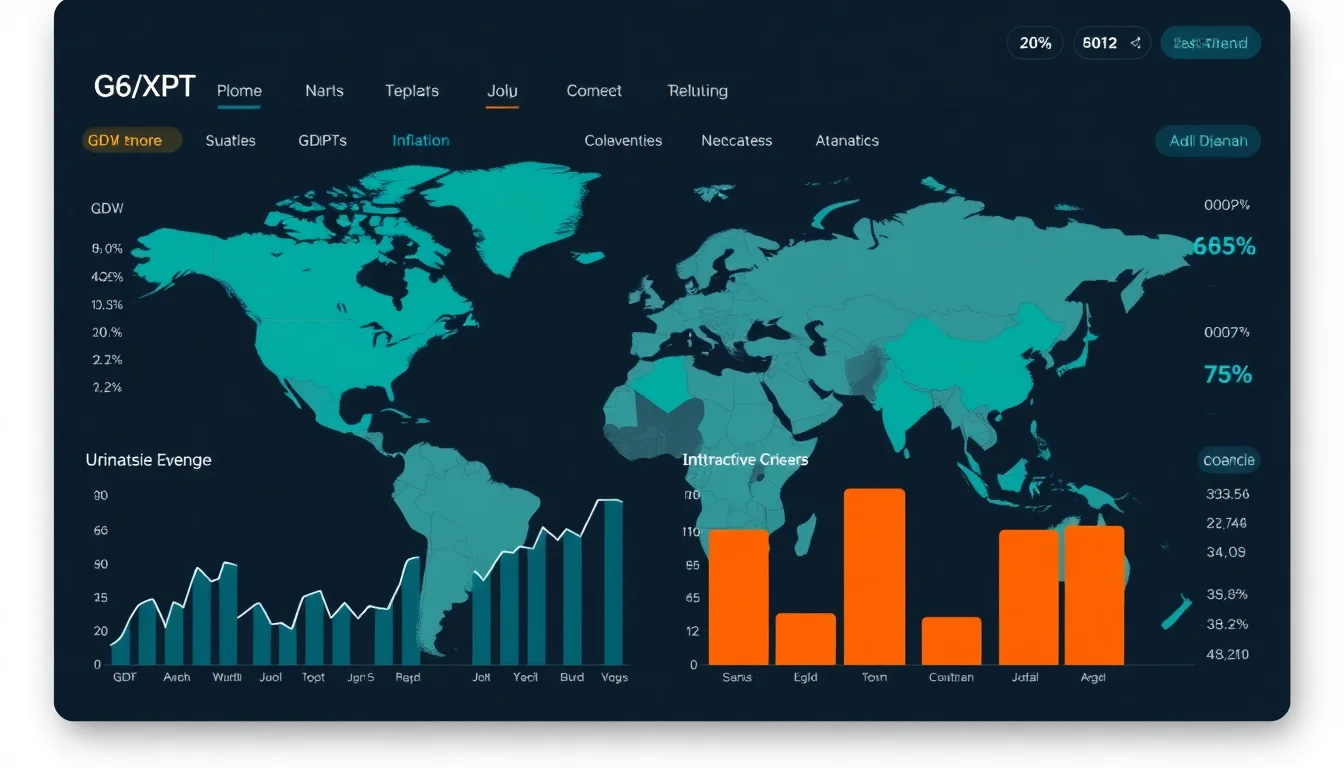
The Trade GPT Ai App hub consolidates every facet of contemporary trading into one seamless interface. Gain access to live price streams, Trade GPT Ai App AI-derived signals, portfolio insights, and automated risk management — all without toggling between applications. Whether day trading or engaging in long-term Trade GPT Ai App investing, our platform delivers the framework to implement your approach with exactness. Traders in benefit from specialized market data, and the Trade GPT Ai App app provides the same capabilities on mobile. This is how Trade GPT Ai App operates — sophisticated technology showcased in an accessible interface. The fusion of charting, order management, risk analytics, news updates, and performance tracking into a unified workspace dispenses with the mental burden of juggling numerous applications, each demanding distinct logins and data formats. Research into human-computer interactions consistently reveals that context switching incurs a hefty cognitive toll, compromising decision-making quality and prolonging response times. By merging all critical trading functions into a singular, cohesive environment, traders can keep their focus on market analysis rather than engaging with fragmented tools, allowing for swifter and more assured actions when opportunities present themselves. A unified platform guarantees that all elements share the same real-time data feed, eradicating synchronization lags and data disparities often found when traders depend on separate charting, execution, and portfolio management tools. This architectural edge proves particularly advantageous during rapid market shifts like central bank announcements, earnings disclosures, or geopolitical events, where even a momentary delay between receiving a signal and executing an order can distinguish between seizing a favorable entry and missing the opportunity entirely. Cross-asset correlation analysis is significantly enhanced when executed within an integrated environment capable of simultaneously handling price data, volatility indicators, and order flow across stocks, forex, commodities, and digital currencies. Traders can create custom correlation matrices, keep an eye on dynamic correlation coefficients in real-time, and receive notifications when historically connected instruments diverge — an occurrence that often hints at an impending trend shift or change in market conditions. This multi-faceted view of inter-market dynamics allows for more refined hedging strategies and portfolio structuring techniques than would be achievable using stand-alone tools. Ongoing portfolio surveillance offers continuous insight into cumulative exposure, unrealized profits and losses, margin utilization, and risk metrics like value-at-risk and maximum drawdown. Instead of waiting for end-of-day reports or manually calculating portfolio data, traders receive instant updates as each position fluctuates, enabling timely adjustments to sustain their desired risk profile. Automated notifications can be set to trigger when specific limits are breached, such as total portfolio declines surpassing a specified percentage or a single position exceeding its target allocation, ensuring risk management remains anticipatory rather than reactive.

Trade GPT Ai App - One Platform, Limitless Potential — Trade GPT Ai App Hub
Trade GPT Ai App - Advanced Technology, Transparent Outcomes — Trade GPT Ai App Solution

Advanced Technology, Transparent Outcomes — Trade GPT Ai App Solution

Every recommendation from the Trade GPT Ai App trading solution comes with a crystal-clear justification. Our AI mechanism clarifies precisely why a certain opportunity was identified — detailing the technical trends identified, sentiment evaluations made, and macro factors that lined up. Is Trade GPT Ai App effective? The metrics tell a story: authenticated performance data is available to each registered user. This straightforward approach enables traders to learn on the fly, converting intricate market data into practical insights. Trade GPT Ai App is it trustworthy? Our history and expanding community of happy users attest to it. Explainable AI has become a cornerstone of ethical financial tech, recognizing that both traders and regulators require clarity on why automated systems generate specific recommendations. Rather than cryptic black-box algorithms that deliver results without any accompanying explanation, transparent systems break down their decision-making processes into understandable parts, such as the importance assigned to various technical metrics, the sentiment analysis derived from recent media, and the broader economic context affecting the overall evaluation. This transparency not only nurtures confidence among users but also aids them in developing their analytical abilities by reviewing the reasoning behind each signal, effectively turning every trading alert into a growth opportunity. Trust lies at the foundation of any successful connection between a trader and an automated platform, and transparency is the channel through which that trust flourishes over time. When users can trace the specific data inputs that influenced a recommendation and how those inputs were prioritized, they cultivate the confidence to act on signals without hesitation, rather than second-guessing the system during critical moments. This certainty is particularly vital during periods of market volatility, when emotions are heightened and the temptation to override systematic signals with instinctual decisions rises. A transparent framework offers an objective anchor that helps traders maintain discipline and consistency in their methodologies. The balance between model sophistication and interpretability presents a critical challenge in financial machine learning, as intricate models such as deep learning networks and ensemble methods often yield better predictive capabilities yet compromise transparency. Simpler models like linear regression or decision trees are more interpretable but might fail to capture the nonlinear patterns that typify financial markets. Contemporary techniques address this tension using methods such as SHAP values, LIME interpretations, and attention visualization, which furnish human-readable insights regarding complex models’ behaviors without sacrificing their predictive capability. These interpretability strategies empower traders to not only comprehend what the model forecasts but also which variables play a crucial role in the prediction and how changes in input data would influence the output. Regulatory authorities around the globe are increasingly demanding that financial tech companies demonstrate fairness, transparency, and accountability in their algorithmic operations. The European Union's Markets in Financial Instruments Directive requires firms utilizing algorithmic trading to keep comprehensive records of their algorithms' logic and to be capable of elucidating their behavior to regulators when necessary. Analogous frameworks are emerging in North America and the Asia-Pacific region, signifying a widespread consensus that algorithmic transparency is vital for preserving market integrity and protecting retail participants. Companies that invest in explainability infrastructure today are strategically positioning themselves for the evolving regulatory environment.

Features

Enhance Your Trading Experience with the Trade GPT Ai App Trading Framework

Trade GPT Ai App AI Analytics Framework

The Trade GPT Ai App AI system analyzes millions of market data entries every minute, pinpointing new trends and subtle patterns hidden from the human gaze. Obtain accurate buy-and-sell prompts supported by neural network models honed on years of historical Trade GPT Ai App stock price records. Our Trade GPT Ai App bot works tirelessly — it surveys markets around the clock so you don't have to. Advanced analytics in modern trading leverage convolutional neural networks for identifying patterns in price movements, recurrent models for predicting sequential time series, and attention-basedtransformers for interpreting multi-modal data streams including text, numeric data, and order flow simultaneously. These layered model structures can unveil complex nonlinear relationships across hundreds of input variables that traditional statistical methods would struggle to identify.

Trade GPT Ai App Application — Trade Anywhere

Get the Trade GPT Ai App app for iOS or Android to oversee your portfolio from any location in . The Trade GPT Ai App trading application provides the same level of sophisticated analytics as the desktop version, offering one-touch order execution. The Trade GPT Ai App app download is complimentary and quick — just search for Trade GPT Ai App in your device's app marketplace. Mobile trading has transformed the way everyday participants engage with financial markets, allowing real-time portfolio management from virtually anywhere with cellular or wireless internet. Research shows that mobile traders respond more rapidly to significant news and market-shifting announcements, as push alerts provide immediate notifications without needing to be at a desktop setup.

Trade GPT Ai App Trading Solution — Automated Risk Strategies

Safeguard your capital with the Trade GPT Ai App trading solution's suite of automated risk management tools. Establish dynamic stop-loss limits, set position-size caps, and enable trailing stops that secure profits. The Trade GPT Ai App algorithm adjusts risk settings in real-time according to current market volatility, making sure your exposure remains within a comfortable range. Effective risk management is widely acknowledged as the foremost factor in achieving long-term trading success, often eclipsing the significance of timing the market. Robust risk management frameworks encompass multiple layers of safeguards including per-trade stop losses, daily loss boundaries, maximum portfolio drawdown limits, and correlation-aware sizing that prevents overexposure to correlated assets.

Trade GPT Ai App Platform — Multi-Asset Center

Access a broad spectrum of cryptocurrencies, forex pairs, commodities, and equities from a singular Trade GPT Ai App platform dashboard. Effortless cross-asset execution enables you to diversify tactics, hedge positions, and fine-tune your Trade GPT Ai App investment portfolio skillfully across various markets simultaneously. Multi-asset trading ecosystems allow for a collective perspective, enabling traders to assess their total exposure across asset classes in a consolidated risk dashboard. Cross-margining capabilities enhance capital efficiency by recognizing compensating positions across correlated assets, liberating margin for further chances.

Trade GPT Ai App Demo — Practice Risk-Free

Venturing into the world of trading? The Trade GPT Ai App demo account allows you to hone your skills using simulated funds, ensuring you get a taste of every aspect of the Trade GPT Ai App trading platform without risking real money. Forget about credit card hassles — just finalize your Trade GPT Ai App registration and the demo access is granted immediately. These demo accounts are incredibly valuable educational assets that enable traders to experiment with and refine their strategies in a no-risk environment closely resembling actual market scenarios. Financial mentors advocate for novice traders to dedicate weeks to practicing on demo accounts before they dive into live trading, allowing them to familiarize themselves with various order types, risk-management tools, and the mental aspects of observing their positions fluctuate in real time.

Trade GPT Ai App Algorithm — Collaborative Trading

Replicate the methodologies of high-achieving traders with just a single action. The Trade GPT Ai App algorithm assesses traders based on verified performance histories, risk profiles, and past drawdowns, providing you with complete insight. Delve into the latest Trade GPT Ai App trading system reviews to discover which copy-trading tactics receive the highest accolades from users. Social trading platforms have revolutionized access to expert-level strategies, empowering less seasoned participants to seamlessly imitate the trades of established top performers. This collaborative model fosters a meritocratic environment where proficient traders attract followers and earn performance-based rewards, while novice traders gain insights by observing the strategies and risk management techniques of successful individuals in real time.

Security

Top-Tier Encryption Standards

All communications to and from the Trade GPT Ai App platform are safeguarded by AES-256 encryption — a benchmark utilized by governments and financial authorities globally. This security measure is a pivotal reason why Trade GPT Ai App remains a secure choice for traders throughout . AES-256 employs a symmetric encryption policy, utilizing a hefty 256-bit key length, making it virtually unbreakable through brute force with current or anticipated computing capabilities. This encryption is recognized by the National Institute of Standards and Technology and is endorsed for the safeguarding of classified governmental data up to the Top Secret classification.

Two-Factor Verification

Each time you access your Trade GPT Ai App account, a secondary verification code is required through an authenticator app or SMS. This measure guarantees that unauthorized access is blocked, even if account credentials are compromised. The Trade GPT Ai App trading system login has an impeccable security record. Cybersecurity professionals favor time-sensitive one-time password applications over SMS verifications, as they are not susceptible to SIM hijacking or phone number interception. Best practices suggest utilizing a dedicated hardware security key for high-stakes accounts and enabling biometric authentication for added convenience.

Regular Security Evaluations

Quarterly penetration assessments and code evaluations of the Trade GPT Ai App architecture are carried out by independent cybersecurity firms. Any identified vulnerabilities are addressed within a forty-eight-hour timeframe, which is why Trade GPT Ai App platform reviews consistently highlight our superior security measures. Professional audit techniques adhere to recognized standards such as OWASP for web applications and NIST for thorough infrastructure examinations. These audits replicate real-world attack scenarios like injection threats, cross-site scripting, privilege elevation, and distributed denial-of-service attempts, ensuring vulnerabilities are patched before they can be exploited by malicious actors.

Expert Market Analysis from Trade GPT Ai App

Sophisticated Macro-Economic Analysis

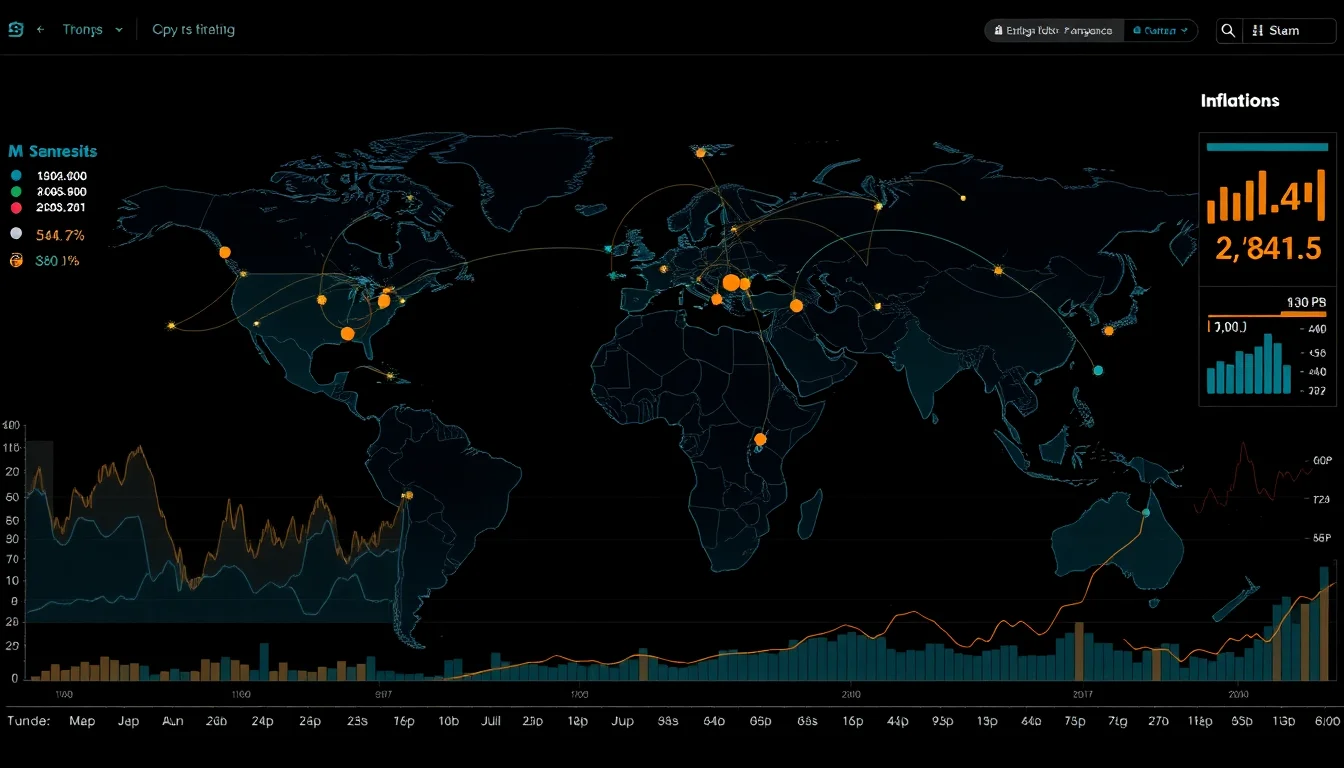
The Trade GPT Ai App macro scanner keeps a vigilant eye on central bank announcements, employment statistics, and GDP data spanning more than thirty economies, including . By linking these factors with live asset prices, the platform uncovers promising trading opportunities. Curious about how does Trade GPT Ai App function? This macroeconomic approach is the bedrock of our advantage. The methodology behind macroeconomic analysis involves tracking leading, coincident, and lagging economic indicators to develop a detailed view of economic vitality and direction. Leading indicators like purchasing manager indices, building permits, and consumer sentiment surveys provide early warnings of economic direction, coincident indicators such as industrial production and retail metrics confirm current conditions, while lagging indicators like unemployment stats and corporate earnings provide validation of established trends.

Trade GPT Ai App - Sophisticated Macro-Economic Analysis

AI-Driven Pattern Recognition

Fueled by advanced neural networks, the Trade GPT Ai App algorithm discerns repetitive chart patterns — from double tops and head-and-shoulders to intricate harmonic formations — boasting a historical accuracy rate exceeding ninety-two percent. The Trade GPT Ai App bot utilizes these patterns in real-time across all asset classes supported. Financial market pattern analysis has advanced significantly since the days of manual charting, with contemporary computer vision techniques capable of scanning thousands of assets simultaneously across diverse timeframes. Deep learning models trained on millions of historical chart images can spot subtle variations of classic patterns that human analysts might miss, assessing the statistical reliability of each pattern based on contextual elements such as volume validation, trend correlation, and closeness to pivotal support and resistance levels.

Trade GPT Ai App - AI-Driven Pattern Recognition

24/7 Market Monitoring

The markets operate ceaselessly, and so does Trade GPT Ai App. Our systems function continuously, monitoring exchanges worldwide and providing alerts the instant a highly confident trading opportunity arises. Whether utilizing the Trade GPT Ai App app on a mobile device or accessing the desktop Trade GPT Ai App website, you receive real-time notifications. Constant market observation becomes especially advantageous for traders engaged in global markets across various time zones, from the dawn of the Asian session in Tokyo through the European session in London to the North American session in New York. With cryptocurrency markets active every hour of every day and forex markets operational five and a half days a week, automated monitoring guarantees that no significant opportunities or risk events slip through the cracks, regardless of the trader’s local time or personal commitments.

Trade GPT Ai App - 24/7 Market Monitoring

Reasons Traders Prefer Trade GPT Ai App

The Trade GPT Ai App trading platform is crafted to equip individual traders with the same analytical prowess utilized by institutional hedge funds. With sub-millisecond order execution, strategically located servers in Toronto, New York, and London, and a dedicated support staff available round-the-clock, every element of the Trade GPT Ai App experience embodies our commitment to superiority. Check out the Trade GPT Ai App official website to learn why our community in and beyond continues to flourish. Is Trade GPT Ai App reliable? Our clear track record, regulated partnerships, and thousands of favorable Trade GPT Ai App reviews leave no room for doubt. Co-located trading infrastructure provides a tangible edge in execution quality, reducing the distance between trading servers and exchange matching engines. When servers are placed in the same data center as the exchange, network latency shrinks to microseconds, as opposed to the milliseconds typical of remote connections. This proximity ensures that orders reach the exchange swiftly, mitigating the risk of price slippage during the interval between making a trading decision and executing the order. For active traders making dozens of trades daily, even minor enhancements in fill prices accumulate into significant performance differentiations over time, establishing infrastructure quality as a bona fide competitive advantage rather than a superficial technical detail. The speed of execution is crucial during heightened market turbulence, particularly around key economic data releases, central bank communications, or unforeseen geopolitical events. In these tense moments, prices can leap dramatically in mere fractions of a second, and traders with slower connections might see their orders filled at much less favorable prices than anticipated or rejected outright due to outdated quotes. Resilient infrastructure with redundant connections, failover mechanisms, and load-balanced order routing guarantees consistent execution quality across varying market conditions, delivering the reliability that serious traders expect when deploying their capital in fast-paced environments. A dedicated support team armed with deep market comprehension and technical acuity elevates the overall trading experience by swiftly addressing inquiries and providing guidance that goes beyond mere troubleshooting. Whether a trader seeks help in configuring risk parameters, grasping a specific analytical feature, or navigating the complexities of trading across various asset classes and time zones, knowledgeable support staff can offer precise, pertinent assistance that maximizes user capabilities. This human support layer complements the automated functionalities of the platform, ensuring that traders are never left to forge their paths through challenging situations alone. Community-centric development guarantees that the platform evolves in concert with the genuine needs and choices of its user base. Frequent feedback surveys, feature suggestion forums, and beta-testing initiatives empower traders with a direct influence on the product development trajectory, resulting in upgrades that confront real-world challenges rather than hypothetical scenarios. This collaborative approach fosters a sense of ownership among users and ignites a positive feedback cycle, enabling ongoing improvements informed by the shared wisdom and experiences of the trading community.

Join Quantum Ai Now »
Trade GPT Ai App - Reasons Traders Prefer Trade GPT Ai App

Broadening Your Trade GPT Ai App Trading Perspectives

Intraday Trading vs. Swing Trading

Whether your preference lies in quick intraday trades or multi-day swing positions, the Trade GPT Ai App trading system offers customized signals tailored for each approach. Investigate the Trade GPT Ai App trading experiences shared by fellow users to discover the strategy that aligns with your risk appetite and availability. Day trading entails initiating and concluding all trades within a single market day, reducing overnight risk, but requiring intense focus and rapid decision-making during trading sessions. In contrast, swing trading holds positions for days or weeks, aiming for larger price shifts while demanding less screen time but exposing traders to the possibility of overnight fluctuations and weekend events impacting open positions.

Cryptocurrency vs. Forex

Explore both markets within a unified Trade GPT Ai App platform. Our cross-asset correlation features empower you to broaden your exposure across digital currencies and traditional fiat. The Trade GPT Ai App trading app offers seamless cross-market analysis from any location within . Cryptocurrency markets operate without interruption, offering heightened volatility and the potential for more significant price movements, while forex markets boast greater liquidity, tighter spreads, and more consistent volatility patterns influenced by macroeconomic fundamentals. Gaining a thorough understanding of the distinct characteristics of each market — encompassing their regulatory landscapes, liquidity profiles, and primary price drivers — enables traders to cultivate market-specific strategies that leverage the unique opportunities each landscape provides.

High Liquidity, Minimal Delay

Our strategically placed servers and premier exchange partnerships guarantee that your Trade GPT Ai App trade executes at optimal prices with minimal slippage, even amid peak volatility. This reliability is why Trade GPT Ai App is a preferred platform for serious traders worldwide. Liquidity represents a core tenet of market mechanics, indicating how easily an asset can be bought or sold without significantly altering its price. Highly liquid environments like major forex pairs and blue-chip stocks exhibit narrow bid-ask spreads and robust order books, while less liquid markets, such as small-cap stocks and emerging cryptocurrency assets, can encounter wider spreads and greater price impacts from individual transactions.

Trade GPT Ai App - Broadening Your Trade GPT Ai App Trading Perspectives

Key Instruments Powered by Trade GPT Ai App

MACD Signal

The Moving Average Convergence Divergence indicator within the Trade GPT Ai App platform features AI-enhanced smoothing that mitigates false signals by up to forty percent compared to standard implementations. The MACD operates by determining the difference between two exponential moving averages over distinct periods, usually twelve and twenty-six, and visually representing this difference as a histogram alongside a signal line. Divergences between the MACD and actual price trends are powerful indicators, often signaling weakening momentum that can precede trend reversals.

Fibonacci Retracement

Trade GPT Ai App deftly charts Fibonacci levels across various charts, melding them with volume profile insights to illuminate the key support and resistance areas most likely to affect price movement. Rooted in the numerical sequence identified by Leonardo of Pisa, Fibonacci retracement utilizes ratios such as 0.236, 0.382, 0.500, and 0.618, which frequently manifest across natural phenomena and financial markets alike. Traders apply these ratios to price fluctuations to pinpoint possible reversal levels where buying or selling momentum could arise amid larger market trends.

Stochastic Oscillator

Our advanced Stochastic Oscillator features multi-timeframe divergence detection, alerting users when momentum diverges from overarching trends — a formidable reversal signal accessible via the Trade GPT Ai App trading software. Divergence analysis with oscillators proves to be one of the most dependable means of discovering potential reversals, occurring when price reaches new highs or lows that aren't mirrored by corresponding oscillator movements. When the price creates a higher high while the oscillator charts a lower high, this is known as regular bearish divergence, indicating a weakening upward trend. Alternatively, hidden bullish divergence appears when the price reaches a higher low alongside a lower low on the oscillator, hinting at potential trend continuation.

Trade GPT Ai App - Sentiment Intelligence by Trade GPT Ai App

Sentiment Intelligence by Trade GPT Ai App

Unravel collective psychology to predict market inflections

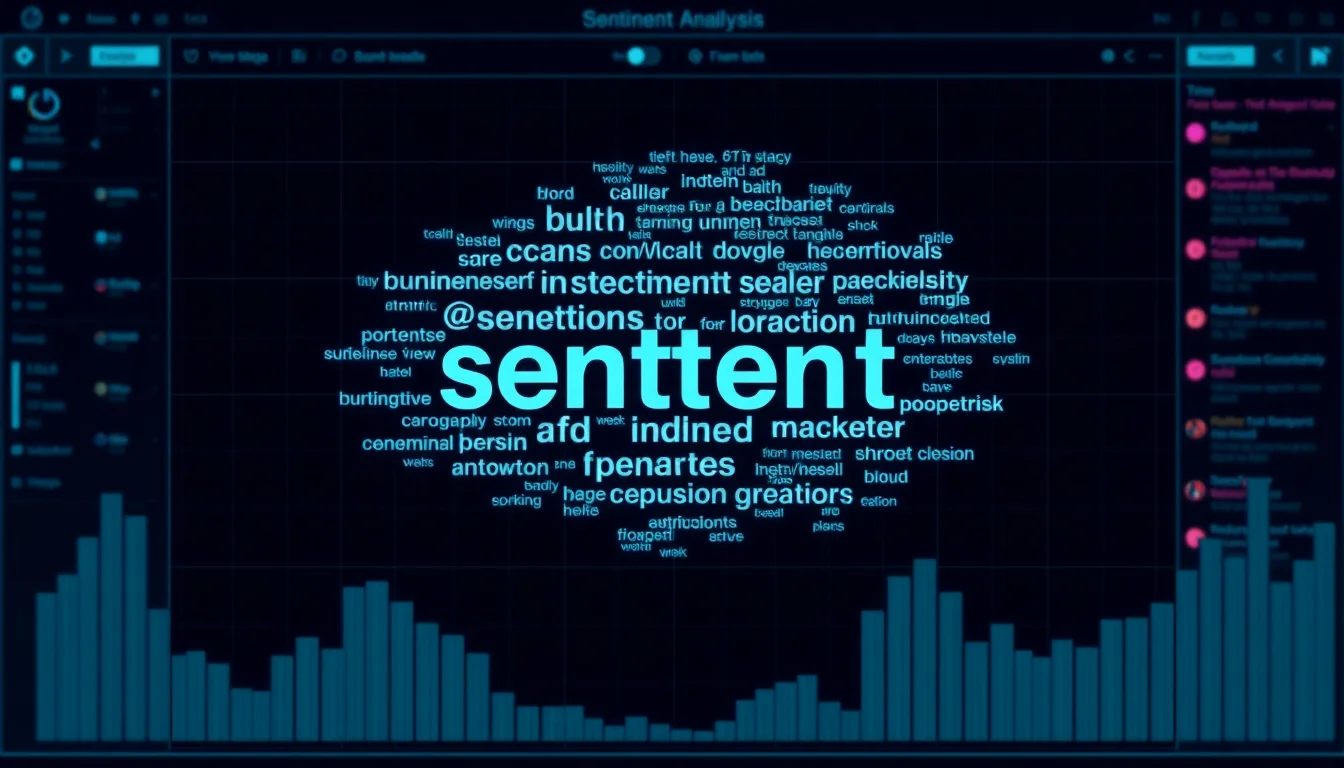
The Trade GPT Ai App sentiment engine assimilates data from social media, financial publications, and on-chain metrics to create a composite mood index for each supported asset. When optimistic sentiment surges beyond typical levels, the platform signals overbought conditions, while prevailing fear highlights opportunities for contrarian buying. Discussions on the Trade GPT Ai App forum and Trade GPT Ai App reddit demonstrate that the sentiment tool ranks among the platform’s most beneficial features. By quantifying emotions that typically catalyze illogical behavior, Trade GPT Ai App AI articulates gut feelings into concrete, marketable signals. Employing natural language processing techniques, our approach utilizes advanced transformers that comprehend context, sarcasm, and industry-specific jargon with exceptional precision. With training on extensive financial texts, including analyst reports, earnings calls, regulatory filings, and social media chatter, these models expertly differentiate genuine bullish insights from irony or misleading comments. Named entity recognition pinpoints specific assets, companies, or sectors discussed, while aspect-based sentiment analysis assesses whether opinions pertain to price forecasts, fundamental quality, executive competence, or overarching economic conditions. The refinement of these language models achieves a level of sophistication where they can catch nuanced shifts in tone across successive statements, detecting when previously optimistic analysts hedge their language or when investor enthusiasm for an asset builds toward euphoric peaks. Social media outlets increasingly serve as powerful leading indicators for market fluctuations, particularly within cryptocurrency and retail-driven equity sectors. Studies reveal that spikes in discussion volume on social platforms and shifts in overall sentiment often precede noteworthy price movements by hours or even days. Platforms like Twitter, Reddit, and niche financial forums generate a continuous flow of real-time sentiment data which, when meticulously filtered and analyzed, can unveil early indications of emerging trends, catalyst events, or developing market anxiety. The challenge lies in filtering genuine information from misleading noise, bot-produced content, and coordinated manipulation efforts, demanding advanced filtering algorithms and anomaly detection systems. Behavioral finance provides the groundwork for understanding sentiment analysis as a trading instrument, based on decades of research into cognitive biases and emotional patterns that shape investor choices. Prospect theory, established by Daniel Kahneman and Amos Tversky, illustrates how people experience losses more acutely than comparable gains, leading to skewed market responses to positive and negative information. Herd behavior drives investors to mimic the crowd rather than conduct independent assessments, magnifying market trends beyond what fundamentals justify. The disposition effect leads traders to prematurely sell winning positions while holding onto losing ones too long. By assessing these behavioral trends in aggregate through sentiment data, trading systems can anticipate when collective psychology is poised to elevate prices to unsustainable extremes that will ultimately revert. One of the most pressing challenges in sentiment measurement is effectively filtering out noise — distinguishing significant signals from the immense tide of irrelevant, deceptive, or repetitive information that inundates social media and news environments. Advanced denoising strategies involve source credibility scoring, assigning greater weight to historically trustworthy commentators and verified accounts; temporal decay weighting that prioritizes recent sentiment over older data; and anomaly detection algorithms that flag and exclude organized bot activities or spam-driven manipulation attempts. Correlating sentiment signals with quantitative market indicators like options flow, volume profiles, and order book disparities adds an additional layer of validation, ensuring sentiment-driven signals are supported by market behaviors prior to execution.

Sign Up

Get Started »

Precision Timing — The Competitive Advantage of Trade GPT Ai App Trading

Diversified Portfolios

Curate well-rounded portfolios spanning diverse asset classes utilizing AI-guided allocation suggestions from the Trade GPT Ai App platform. Our models strive to enhance risk-adjusted returns, rebalancing as market landscapes shift — perfect for long-term Trade GPT Ai App investment principles. The modern portfolio theory, put forth by Harry Markowitz, highlights that amalgamating assets with varied return profiles and low correlations can yield a portfolio with superior risk-adjusted returns compared to any individual asset held alone. Strategic asset distribution across stocks, bonds, commodities, and alternative assets, including cryptocurrencies, aims to seize the benefits of diversification while aligning with each investor's risk tolerance and financial aspirations.

Short-Term Opportunities

Seize intraday momentum using Trade GPT Ai App trading signals refined for scalping and day-trading. With sub-millisecond execution, you can enter and exit trades with pinpoint accuracy — this is how Trade GPT Ai App operates for active traders. Scalping strategies focus on harnessing minor profits through numerous trades over the trading day, typically maintaining positions for mere seconds to minutes. Successful scalpers necessitate remarkably narrow spreads, rapid execution setups, and stringent exit plans, as even minimal slippage or pauses can transform a winning scalping endeavor into a loss.

Momentum Strategies

Ride the waves of prevailing trends with Trade GPT Ai App momentum indicators, which synergize price velocity, volume spikes, and order-flow discrepancies into a unified score. Insights from momentum traders confirm the reliability of these signals; Trade GPT Ai App trading experiences affirm their credibility. The principles of momentum investing are grounded in the well-documented tendency for recently high-performing assets to sustain their upward trajectory in the short run, and similarly for underperformers. Academic studies from various decades and regions substantiate this momentum effect, marking it as one of the most resilient anomalies in financial economics alongside value and size considerations.

Volatility Management

Steer through volatile markets utilizing Trade GPT Ai App volatility tools designed to adjust position sizes and stop-loss limits dynamically as market conditions demand. This is the reason Trade GPT Ai App is regarded as safe even amid extreme market fluctuations. Effective volatility management forms a crucial aspect of professional trading, adopting techniques such as flexible position sizing that decreases exposure during volatile phases and increases it in calmer environments. The VIX index, often dubbed the fear gauge, along with volatility surfaces derived from options pricing, offer forward-looking assessments of anticipated market disturbances, supporting proactive risk adjustment strategies.

Trade GPT Ai App - The Fusion of AI and Human Acumen at Trade GPT Ai App

The Fusion of AI and Human Acumen at Trade GPT Ai App

At Trade GPT Ai App, we advocate that optimal trading marries the rapidity and pattern recognition offered by artificial intelligence with the insightful contextual understanding provided by seasoned human analysts. Who is Trade GPT Ai App in the background? Our team consists of former institutional traders, quantitative analysts, and macroeconomic strategists. The Trade GPT Ai App AI generates data-informed signals that are persistently sharpened by this expert assembly. The Trade GPT Ai App trading CEO and leadership ensure that technology elevates human insight, producing recommendations that neither digital intelligence nor human intuition alone could fully realize. Despite tremendous strides in algorithmic trading over the past twenty years, completely automated systems encounter intrinsic limitations that highlight the enduring significance of human judgement in financial settings. Algorithms thrive in processing structured datasets, identifying statistical correlations, and executing defined rules with remarkable consistency, yet they often falter in unprecedented scenarios outside their training datasets — those so-called black swan events, such as geopolitical upheavals, pandemic-induced market shifts, or sudden regulatory alterations that can redefine entire industries overnight. In these instances, seasoned analysts rely on contextual knowledge, historical parallels, and qualitative reasoning to navigate swiftly changing circumstances and adjust tactical approaches, imparting a vital layer of flexibility that pure automation lacks. Human oversight remains indispensable in the financial landscape for reasons extending beyond technological confines. Ethical responsibilities, regulatory compliance, and fiduciary obligations mandate human accountability for trading actions, particularly when engaging substantial capital or impacting fellow market participants. A human risk manager retains the discretion to override automated systems in extraordinary circumstances, acting in instances where anomalous behavior appears or market context reveals that the model’s assumptions no longer hold. Such judgment-based interventions have averted numerous potential disasters in the realm of algorithmic trading, including situations where feedback loops among automated systems risked amplifying volatility into cascade failures. The synergistic model, where human insight and machine intelligence coalesce, has illustrated superior outcomes across numerous case studies within the financial sector. Quantitative hedge funds like Two Sigma and Bridgewater Associates frequently feature teams of researchers who cultivate, monitor, and enhance algorithmic strategies, amalgamating the scalability and rapidity of automation with the inventiveness and adaptability of human insight. In shaping portfolio frameworks, human analysts articulate strategic direction and thematic perspectives while algorithms execute tactical operations and manage risk. In research environments, humans formulate hypotheses based on domain expertise while machines conduct exhaustive backtesting and statistical assessments. This collaborative framework maximizes the comparative strengths of both human intellect and artificial intelligence, generating results that consistently outperform those achieved in isolation. The future trajectories of financial decision-making lay in augmented intelligence — systems crafted to bolster human capabilities rather than completely supplant them. This vision transcends basic automation, creating interactive ecosystems where traders can probe AI models, grasp their rationale, customize parameters, and incorporate insights that machines are ill-equipped to grasp. Natural language interfaces empower traders to pose inquiries about portfolio risks in direct language, receiving context-sensitive answers. Visualization techniques transform intricate multi-dimensional data into accessible graphical formats, harnessing human pattern recognition proficiencies. The objective is to establish a seamless partnership where technology undertakes the computationally intensive layers of market analysis while humans infuse strategic vision, ethical judgements, and innovative problem-solving critical to exceptional investment management.

FAQ

Trade GPT Ai App FAQ — Trade GPT Ai App Frequently Asked Questions

Trade GPT Ai App is an AI-infused Trade GPT Ai App trading platform crafted to offer structured market insights, automated risk management, and real-time analytics covering cryptocurrency, forex, and equity markets. Our sophisticated Trade GPT Ai App algorithm evaluates a multitude of data points, generating actionable trading signals for users in and globally. Modern AI-centric trading avenues generally function by assimilating extensive volumes of structured and unstructured inputs — ranging from historical pricing data, order book snapshots, economic calendar events, to natural language news feeds — and processing them through layered machine learning frameworks to identify statistically relevant patterns. Unlike basic charting tools, these platforms continuously learn and adapt their architectures according to new information, progressively refining their predictive efficacy. The most advanced systems utilize ensemble techniques that merge various model designs, such as recurrent neural networks for time series assessment and transformer models for natural language parsing, culminating in the generation of multi-faceted trading signals.

Absolutely, Trade GPT Ai App is a legitimate platform. It operates with complete transparency, offering verifiable performance metrics, collaborations with regulated brokerage firms, and quarterly independent security evaluations. An abundance of Trade GPT Ai App reviews from actual users validate the platform’s authenticity and consistent track record. In assessing a trading platform's legitimacy, traders should examine several key indicators: established partnerships with regulated brokerages that maintain segregated client accounts, verifiable company registration details, transparent fee structures with no hidden charges, attentive customer support available through multiple channels, and a history of stable operation over several years. Independent third-party evaluations, regulatory database checks, and community discussions on reliable financial forums offer added dimensions of verification, assisting potential users in discerning genuine platforms from fraudulent ones.

Not at all. Trade GPT Ai App operates transparently and has been assessed by independent financial technology analysts, upholding a clear and reliable track record. Users wondering Trade GPT Ai App scam or legit should refer to our publicly available audits, security certifications, and the multitude of positive Trade GPT Ai App consumer reviews accessible online. Within the wider financial technology landscape, differentiating authentic services from fraudulent ones necessitates thorough due diligence. Reputable platforms maintain transparent operational registrations, publish verifiable audit outcomes, partner exclusively with licensed and regulated brokerages, and present clear terms of service that outline associated risks, fees, and withdrawal processes. Warning signs to consider include promises of guaranteed profits, pressure to deposit funds hastily, unclear ownership structures, and difficulties in processing withdrawals. It is always prudent to conduct thorough investigations using official regulatory databases and established financial review platforms prior to allocating capital to any trading service.

Trade GPT Ai App stands as a legitimate trading platform, fortified by transparent technology and compliant financial affiliations. Assertions suggesting that Trade GPT Ai App is a façade hold no merit—our artificial intelligence framework, real-time trading outcomes, and vibrant network of over fifty thousand traders validate the platform's legitimacy. The rapid expansion of online trading venues often coincides with the emergence of deceitful schemes, eroding the collective confidence in the sector. Trustworthy platforms carve their niche through transparency, featuring clear company locations, readily available management teams, authenticated technological foundations, and adherence to financial laws in their operational territories. A thriving user base, frequent platform enhancements, and sustained long-term activity are hallmark indicators of genuine trading environments, presenting challenges for unscrupulous actors aiming to replicate success.

Absolutely. Trade GPT Ai App utilizes AES-256 encryption, enforces two-factor authentication for every Trade GPT Ai App login, and participates in quarterly external security evaluations. Our infrastructure operates from elite Tier-4 data centres boasting a 99.98% uptime guarantee. Reviews of the Trade GPT Ai App platform consistently highlight our security as top-tier. Cybersecurity remains paramount for any digital financial service, as trading platforms deal with sensitive personal information and fund transfers. Best practices include comprehensive encryption for data in motion and at rest, multi-layered authentication to thwart unauthorized access, systematic penetration tests by external security specialists, real-time monitoring systems for suspicious activity, and well-defined incident response strategies for swift mitigation of vulnerabilities. Traders must ensure that their selected platform adheres to these security protocols before sharing personal data or capital.

The Trade GPT Ai App trading engine harnesses custom machine learning algorithms to scrutinize price trends, trading volumes, sentiment shifts, and economic releases in real-time. How Trade GPT Ai App operates: the AI pinpoints high-probability trading opportunities and delivers well-defined signals, including entry points, exit strategies, and stop-loss parameters, directly to your dashboard or Trade GPT Ai App app. Employing machine learning in trading involves training statistical models on past market data to identify patterns with predictive value for future price shifts. Supervised models learn from marked examples of successful and unsuccessful trades, while unsupervised models unveil hidden data patterns without prior classifications. Reinforcement learning techniques refine trading strategies through iterative testing in simulated market settings. The most adept systems amalgamate various model types into ensemble frameworks, validate predictions across diverse timeframes and market scenarios, and consistently retrain on fresh data to stay attuned to market evolutions.

Trade GPT Ai App registration is a breeze: simply fill out the form on this page with your name, email, and phone number. Verification takes less than two minutes. Once you’re on board, explore the Trade GPT Ai App demo to familiarize yourself with the platform risk-free, or deposit funds to kickstart live trading. Most trading platforms require identity verification procedures, known as Know Your Customer protocols, mandated by financial authorities to combat money laundering, fraud, and other financial misconduct. Standard verification includes presenting government-issued ID and proof of residence. Although this process may appear tedious, it serves as a vital protective measure for both the platform and its users, and its presence is often a reassuring sign that the platform adheres to regulatory standards.

The entry-level deposit to commence live trading on Trade GPT Ai App is a Trade GPT Ai App $250 deposit. This investment unlocks all platform features, AI signals, and tools for managing risk. Feel free to practice with the Trade GPT Ai App demo before committing real capital. As a rule, financial experts suggest starting with an amount you can afford to forfeit since all trading entails inherent risk. Launching with a minimal sum allows novice traders to gain genuine market experience, test their tactics in live conditions, and foster the emotional discipline necessary for sustained trading—all while minimizing significant capital exposure. As traders gain confidence and competence, they can gradually scale their investments in sync with their developing skills and proven results.

Numerous traders report favorable experiences with the Trade GPT Ai App trading platform. However, trading carries risk, and historical performance does not promise future success. Our platform equips you to earn money with Trade GPT Ai App via AI-driven signals and risk management, yet prudent trading habits and realistic goals are essential. Profitable trading necessitates a blend of solid strategy, disciplined risk management, ongoing learning, and psychological endurance. No trading system, no matter how sophisticated, can entirely eliminate market risk. Seasoned traders typically emphasize achieving steady risk-adjusted gains over time instead of chasing fleeting financial windfalls. Keeping a comprehensive trading log, regularly analyzing performance indicators, and adjusting strategies based on factual evidence rather than intuition are practices distinguishing consistently successful traders from those facing inconsistent results.

Download Trade GPT Ai App app via the iOS App Store or Google Play Store. Search for Trade GPT Ai App, hit install, and log in using your existing credentials. The Trade GPT Ai App trading app replicates the full desktop functionality, featuring AI signals, portfolio management, and one-click trade execution. Trade GPT Ai App app is tailored to local market data. Mobile trading applications have become indispensable for contemporary traders, offering the flexibility to monitor positions, get alerts, and execute trades from any location with internet access. When evaluating a mobile trading application, traders should seek features such as real-time price updates with minimal lag, secure biometric authentication options like fingerprint or facial recognition, notifications for price alerts and signal updates, user-friendly chart analysis tools optimized for touch interaction, and seamless synchronization with the desktop platform ensuring consistency across devices.

Trade GPT Ai App operates through licensed brokerage partners and adheres to relevant financial statutes. Trade GPT Ai App users can interact with the full platform without limitations. We advise checking your local regulations for any specific requirements regarding online trading in your area. The legal context surrounding online trading varies considerably across different nations and regions, with regulatory entities like the Securities and Exchange Commission in the U.S., the Financial Conduct Authority in the U.K., and provincial securities commissions in various jurisdictions each framing their own rules to oversee online trading practices. Traders hold the responsibility of understanding and adhering to the regulations applicable to their specific region, including obligations related to tax reporting on trading gains, limitations on certain financial products, and anti-money laundering compliance duties.

Trade GPT Ai App reviews from traders shine positively. Users commend the accuracy of AI signals, user-friendly interface, and responsive customer service. Threads discussing Trade GPT Ai App review reddit and independent Trade GPT Ai App platform reviews highlight the demo account, multi-asset support, and transparent performance metrics as notable features. When perusing reviews of any trading platform, it is crucial to assess the origin and context of each review. Seek out thorough, specific commentary that reflects actual trading experiences as opposed to vague or overly lofty praise. Reviews that pinpoint particular features, outline realistic results encompassing both victories and setbacks, and present balanced evaluations are typically more credible than those appearing excessively promotional or uniformly negative. Comparing reviews from various independent sources contributes to a well-rounded understanding of a platform's strengths and potential improvement areas.

Similar to any trading platform, Trade GPT Ai App occasionally receives feedback. We treat all Trade GPT Ai App complaints with seriousness and our support team resolves concerns within twenty-four hours. The bulk of Trade GPT Ai App user reviews are favorable, and any Trade GPT Ai App warning

Elon Musk Trade GPT Ai App endorsement rumors float around the internet, yet Trade GPT Ai App doesn’t depend on celebrity endorsements. Our reputation is founded on verifiable technology, transparent results, and authentic Trade GPT Ai App experiences shared by real users. Always validate information through the Trade GPT Ai App official website. False celebrity endorsements proliferate within the financial tech landscape, wherein malicious actors concoct misleading promotions and social media content to gain traction and credibility by linking products to renowned personalities. These fabrications often circulate via unauthorized accounts, sensationalist articles, and misleading promotional networks. Traders should remain skeptical of celebrity endorsement claims and verify any assertions directly from official platform sources and the verified public accounts of celebrities prior to making any financial commitments influenced by such narratives.

No. Trade GPT Ai App trading transpires through regulated brokerages that maintain segregated client funds. The Trade GPT Ai App trading system has undergone independent verification and reviews. Users questioning is Trade GPT Ai App trading legit can analyze our published audit documentation, regulatory affiliations, and the consistent favorable Trade GPT Ai App trading system reviews from our active user community. Segregated client accounts serve as a core protective measure within the financial services sector, ensuring that client funds are held apart from the operational capital of the brokerage or platform. This separation guarantees that client assets remain intact and accessible, even in the face of company financial struggles. Regulated brokerages typically must maintain segregated accounts and undergo regular evaluations by their licensing authorities, providing an added layer of scrutiny that safeguards traders’ capital and bolsters the credibility of the trading ecosystem.

Trade GPT Ai App forum

Indeed, the Trade GPT Ai App bot serves as an automated trading assistant that carries out signals originating from the AI engine. Feedback on the Trade GPT Ai App bot review indicates that the bot performs optimally when configured with suitable risk parameters. Users retain complete command and can halt or modify the bot’s operation at any point via the Trade GPT Ai App platform dashboard. Automated trading bots function by executing established rules devoid of the emotional influences that impact human traders, such as fear, greed, or hesitation. They can observe numerous markets at once, respond to signals in milliseconds, and adhere strictly to risk management guidelines regardless of market variability. Nevertheless, automated systems necessitate careful setup and ongoing user oversight. Establishing appropriate position sizes, stop-loss thresholds, and daily maximum loss caps ensures that the bot operates within parameters aligning with the trader's risk appetite and financial objectives.

Trade GPT Ai App investment tools aim to aid in informed decision-making rather than ensuring profits. Data from Trade GPT Ai App investments review indicates that users adhering to suggested risk management protocols achieve more stable results. Every form of trading carries its risks, and we advise users to invest only what they are prepared to lose. The foundational tenet of wise investing—never risk more than you can afford to lose—applies no matter how advanced your tools may be. Even the most sophisticated analytical instruments are incapable of predicting market fluctuations with absolute certainty; unforeseen incidents such as geopolitical tensions, natural disasters, or abrupt regulatory shifts can induce swift market upheavals. Accomplished long-term traders craft portfolios with careful diversification, maintain sufficient liquidity, impose strict loss thresholds for individual trades and their aggregate portfolios, and treat trading as a marathon instead of a sprint.

Trade GPT Ai App legit reddit discussions reveal a diverse array of perspectives, which is typical of any communal conversation space. Authentic users frequently give the platform high marks, while a portion of doubt arises from those who have yet to experience it firsthand. Assertions about Trade GPT Ai App scam reddit often get dismantled by community members relaying their genuine Trade GPT Ai App trading experiences. Conversations on social media and forums pertaining to trading services inevitably encompass a broad range of views, spanning from enthusiastic praise to biting critique. When assessing these dialogues, remember that anonymity can breed influences from adversaries, affiliate promoters, or individuals driven by their motives. Insights from seasoned community participants, who present in-depth, impartial narratives, are typically the most valuable. Seek out concrete specifics regarding execution reliability, withdrawal efficiency, and customer support interactions instead of vague statements that offer little real substance.

Not in the slightest. Trade GPT Ai App functions under stringent regulatory oversight and promotes clear business principles. Any Trade GPT Ai App fraud accusations lack merit and usually stem from rival smear efforts. Our platform upholds top-notch financial standards, allowing users to confirm our legitimacy through official regulatory directories. Adhering to regulations is fundamental for reliable financial services and includes compliance with anti-money laundering initiatives, Know Your Customer policies, data safeguarding practices, and principles of fair business conduct. Entities that sustain compliance with these guidelines undergo routine audits and evaluations from their governing bodies, offering external verification of their operational soundness. Traders can independently confirm a platform's regulatory standing by checking the public registers maintained by financial authorities, which list all licensed organizations along with their registration codes, permitted activities, and any actions taken against them.

No Platform Fees

No concealed fees or recurring charges — tap into the complete capabilities of the Trade GPT Ai App platform without any cost. No Trade GPT Ai App software scam — total openness in pricing. Transparent fee structures are a sign of reputable trading platforms, as undisclosed expenses like inactivity costs, withdrawal fees, and excessive spread markups can significantly diminish investor returns over time.

2-Minute Trade GPT Ai App Registration

Trade GPT Ai App sign up in less than two minutes. Start exploring AI-enhanced trading signals right after completing your Trade GPT Ai App registration. A streamlined onboarding journey minimizes the gap between a trader's decision to explore a platform and their ability to utilize its features, which is especially crucial for seizing time-sensitive market opportunities.

Complimentary Education Hub

Gain access to webinars, instructional videos, and strategic guides. Uncover how Trade GPT Ai App works and accelerate your trading acumen with our all-encompassing learning center. Ongoing trading education is vital due to the continuous evolution of financial markets, as fresh instruments, regulations, and market forces emerge consistently, necessitating traders to refresh their expertise and adjust their strategies.

Around-the-Clock Support

Committed support available 24/7 via live chat, email, and phone. We tackle any Trade GPT Ai App complaints within a day. Exceptional customer service in trading requires a team that grasps both the technical nuances of the platform and the fundamentals of financial markets, allowing them to deliver meaningful help instead of rehearsed scripts.

Trade GPT Ai App Demo Account

Engage in practice without risk using a fully equipped Trade GPT Ai App demo account bursting with virtual funds. No deposits required to start. Demo accounts serve a critical role in the learning process, giving traders the opportunity to cultivate platform navigation skills, test various strategy setups, and develop confidence before diving into live trading with actual money on the line.

Access Across Multiple Devices

Trade fluidly on desktop, tablet, and mobile with the Trade GPT Ai App app. Download Trade GPT Ai App app and synchronize your investments. Compatibility across devices ensures traders can move effortlessly between their primary workstation and mobile devices throughout the day, keeping them fully aware of their portfolio condition and market fluctuations regardless of their location.

Trader Insights — Trade GPT Ai App Reviews

Elon Musk

Elon Musk

"The Trade GPT Ai App platform has completely reshaped my trading strategy. The AI-generated signals are strikingly precise, and the risk management features instill confidence in every move I make. After diving into Trade GPT Ai App reviews online, opting to give it a try proved to be the most beneficial choice I've ever made."

★★★★★
Ravi Deshmukh

Ravi Deshmukh

"Initially, I was doubtful — I dug up information on Trade GPT Ai App scam or legit prior to signing up. Fast forward six months, and my Trade GPT Ai App trading experiences have been extraordinarily reassuring. The interface is user-friendly, and their support team is consistently prompt."

★★★★★
Amira Al-Farsi

Amira Al-Farsi

"As someone new in the field, the Trade GPT Ai App demo mode was invaluable. It allowed me to master the platform before putting real money on the line. The Trade GPT Ai App app makes it a breeze to track trades while I'm on the move. I highly endorse it for those commencing their Trade GPT Ai App investment path."

★★★★
Miguel Alvarez

Miguel Alvarez

"The sentiment analysis feature on Trade GPT Ai App provides an advantage I never had before. I can detect shifts in market sentiment as they happen. Trade GPT Ai App is it reliable? Absolutely — I’ve monitored every signal for three months, and the precision is remarkable."

★★★★★
Anya Petrov

Anya Petrov

"The multi-asset functionality of the Trade GPT Ai App trading system is outstanding. I can manage cryptocurrencies, forex, and stocks all from a single interface. Friends ask me does Trade GPT Ai App work — I suggest they try the demo to experience it firsthand."

★★★★
Omar Nsamba

Omar Nsamba

"Unparalleled execution speeds and consistent uptime make Trade GPT Ai App the finest platform I've experienced. I was apprehensive about allegations of Trade GPT Ai App fake claims online, yet the genuine Trade GPT Ai App experiences tell their own story. The economic trend tracker is nothing short of excellent."

★★★★★

How Does Trade GPT Ai App Function?

Embark on your journey in three straightforward steps — Trade GPT Ai App sign up now

1

Trade GPT Ai App Sign Up

Fill in the brief Trade GPT Ai App sign up form with your full name, email address, and phone number. Head to the Trade GPT Ai App official site, and your account will be authenticated in less than two minutes. The Know Your Customer verification is a regulatory mandate aimed at thwarting identity theft, money laundering, and fraud. Although it introduces an extra step into the signup process, it safeguards both our platform and users by confirming that only authenticated individuals can engage in trading activities and financial transactions.

2

Set Up Your Trading Strategy

Adjust your risk settings, select your desired asset types, and pick from the strategies suggested by our AI on the Trade GPT Ai App trading platform. Begin with the Trade GPT Ai App demo or fund your account with a Trade GPT Ai App $250 deposit to initiate live trading. Best practices for strategy configuration entail determining your maximum acceptable loss per transaction, aiming for a target risk-reward ratio, deciding the highest number of simultaneous positions, and choosing asset categories that match your expertise. Investing time in thoroughly setting these parameters ahead of your first trade lays down the disciplined structure that seasoned traders deem essential for enduring success.

3

Commence Trade GPT Ai App Trading

Start receiving instantaneous AI signals from the Trade GPT Ai App trading system, execute trades with a single click, and track your portfolio via the dashboard or Trade GPT Ai App app. Generate profits with Trade GPT Ai App by acting upon data-driven signals. This signal-centric trading methodology involves receiving explicit recommendations that encompass entry points, target levels, and stop-loss parameters, empowering traders to assess the risk-reward equilibrium before allocating funds. The most successful signal-following technique merges the analytical strength of the signal generator with the trader's personal insights regarding market context, position sizing, and timing.

Navigating Risk Management in Today’s Trading Landscape

Key strategies to safeguard your investments

Among seasoned traders and investment experts, risk management is hailed as the cornerstone of enduring trading triumph. While novices often chase lucrative entry points, veterans recognize that even the most ingenious trading methodologies can falter without a solid risk management strategy to back them up. At its essence, risk management seeks to guarantee that no single trade, no cluster of unfavorable trades, and no unforeseen market turmoil can cause damage substantial enough to disrupt a trader’s ongoing engagement in the financial sphere. This sanctity of capital represents the bedrock upon which the entire trading venture stands, as a trader stripped of their capital finds themselves unable to seize future possibilities.

Position sizing stands as perhaps the most pivotal element within any risk management framework, dictating how much capital should be committed to each trade. A prevalent strategy is the fixed percentage model, where a trader risks a set fraction of their total account balance on each trade—commonly between one to three percent for cautious traders. Hence, if a trader possesses a ten thousand dollar account and opts to risk two percent per trade, no single trade would exceed a risk of two hundred dollars. The size of the position is then calculated by dividing this monetary risk by the gap between the entry price and the stop-loss point. This tactic naturally adjusts position sizes downwards following losses and escalates them during winning phases, ensuring protection of capital during downturns while fostering growth during successful runs.

Effective stop-loss management is a vital practice that sets the threshold for the maximum acceptable loss on any given trade prior to its closure. There exist various methods for establishing stop-loss levels, ranging from fixed-distance stops defined by a set number of points or percentages, to volatility-based stops that adapt based on fluctuations in market behaviors using tools like the Average True Range, and structural stops that adjust around critical technical thresholds like recent highs or lows. Additionally, trailing stops can follow the pathway of profit as the trade unfolds, effectively locking in gains while allowing profitable positions the necessary space to flourish. The fundamental tenet is that every trade must include a clearly defined exit for losses before one enters, thus eliminating the risky inclination to cling to losing positions in the hopes of a turnaround.

Hedging at the portfolio level entails taking contrary positions across linked assets to diminish overall vulnerability to specific risk elements. For instance, a trader bullish on equities might shield against overall market drops by purchasing puts on a leading index or investing in assets known to thrive during stock selloffs, like government bonds or gold. Cross-asset hedging includes strategies like pairs trading, where a long position in one asset is counterbalanced by a short position in a related asset, isolating performance metrics while mitigating exposure to larger market shifts. Successful hedging necessitates a comprehension of the correlation landscape among assets, particularly how these relationships can evolve during high-stress market contexts.

Risk-reward analysis entails assessing the potential upside of a trade against its possible downside before taking a position. Professionals often set a minimum risk-reward ratio at one to two, which dictates that the target profit must be at least double the distance of the stop-loss level. This disciplined approach guarantees that even with a win rate below fifty percent, the strategy can still yield benefits over time since the typical winning trade adds more to the account than the average losing trade deducts. Prior to engaging in any trade, traders should meticulously outline their entry points, stop-loss levels, and profit expectations, ensuring that the resulting risk-reward ratio aligns with their predetermined standards.

The psychological components of risk management are frequently overlooked yet play a pivotal role in whether a trader adheres consistently to their risk management protocols amid real market pressures. The fear of missing out can provoke traders to dive into positions without sufficient analysis or with oversized commitments, while the distress from actual losses may lead to the harmful practice of expanding stop-losses or eliminating them entirely. Engaging in revenge trading following a loss, where a trader hastily seeks to recover by taking excessive positions, embodies one of the most destructive behavioral tendencies in trading. Cultivating emotional discipline requires ongoing practice, self-reflection, and often relies on a coherent trading plan that alleviates the necessity for real-time emotional decision-making. Keeping a thorough trading journal that logs not only the technical details of each trade but also the emotional state and rationale behind every choice serves as one of the most effective strategies to build the psychological fortitude essential for sustained trading success.

Position Sizing

Determine your position size utilizing a fixed percentage of your entire account balance—usually ranging from one to three percent per trade. Divide your financial risk by the difference between your entry and stop-loss to ascertain the quantity of units. This method guarantees that your risk per transaction remains aligned with your account size, automatically reducing exposure during downturns and permitting growth during prosperous times. Avoid sizing your positions based on potential profits; rather, size them according to your willingness to accept losses.

Stop-Loss Strategies

Select your stop-loss strategy in accordance with your trading style and the unique features of the instruments you are utilizing. Volatility-driven stops employing the Average True Range indicator respond to the current market circumstances, expanding during turbulent periods and constricting during steadier phases. Technical stops positioned beyond critical support or resistance maintain respect for the market’s architecture. Time-based stops exit trades that haven’t reached their targets within a designated timeframe. Whichever method you choose, always set your stop before executing the trade and never adjust it further away from your entry point.

Portfolio Diversification

Broaden your exposure across various dimensions: asset categories such as stocks, forex, commodities, and cryptocurrencies; geographical markets encompassing North America, Europe, and Asia; trading timeframes spanning intraday to multi-week strategies; and diverse approaches blending trend-following, mean-reversion, and event-driven tactics. Correlation assessments should help dictate diversification efforts, as holding multiple positions in assets that are closely correlated yields minimal authentic diversification benefits. Regularly evaluate and adjust your portfolio allocations to align with your target risk profile as market conditions shift.

Risk-Reward Analysis

Prior to initiating a trade, compute the risk-reward ratio by contrasting the distance to your profit target with that of your stop loss. Require at least a one to two ratio, meaning that for every dollar at risk, you should anticipate a minimum gain of two dollars if the trade meets its target. This mathematical advantage fosters long-term profitability even if your win rate lags below fifty percent. Resist the allure to pursue trades with unfavorable risk-reward ratios merely because the setup appears attractive or due to the urge to engage with the market.

Emotional Discipline

Establish a predetermined trading plan that outlines your entry requirements, exit criteria, position sizing approach, and maximum daily loss limit before your trading sessions commence. Adhering to a concrete plan eliminates the necessity for real-time emotional judgments when the pressure mounts. Enforce a mandatory cooling-off period after a set number of consecutive losses, allowing you to step back and regain perspective. Document your emotional state alongside trade details in a trading journal, aiding in identifying patterns between your psychological state and trading results over time.

Drawdown Recovery

Drawdowns are an expected aspect of trading, and effectively managing them is vital for long-term survival and prosperity. Decrease your position sizes during drawdown episodes to decelerate the pace of capital reduction and conserve your ability to rebound. Keep in mind that recovering from a drawdown necessitates a correspondingly larger recovery; a fifty percent loss requires a one hundred percent return to achieve breakeven. Set a maximum drawdown limit, usually between fifteen to twenty-five percent of your account, beyond which you haltingly pause live trading to reassess your strategy, perform additional backtests, and verify that your system is still functioning within anticipated statistical parameters.

Trading Education Hub: Fundamental Insights for Traders

Lay a solid groundwork in financial markets

Financial literacy forms the bedrock of sustainable trading effectiveness, equipping traders with essential theoretical frameworks and practical abilities needed to navigate the multifaceted and fluid financial landscape. Despite the accessibility modern technology provides in reaching financial markets and executing transactions, this ease can create pitfalls for those venturing into trading without sufficient preparation. Research consistently highlights that traders who prioritize education—focusing on market mechanics, technical and fundamental analysis, risk management, and trading psychology—experience significantly superior outcomes compared to those who leap into trading based purely on tips, signals, or instinct. A methodical learning approach constructs an intellectual framework empowering traders to assess opportunities autonomously, adapt to shifting market dynamics, and sustain discipline during tough times.

New traders' educational journeys should commence with foundational aspects including the workings of financial markets, the various types of financial instruments available, essential principles of technical analysis like support and resistance, and crucial risk management practices. Following this, intermediate subjects should cover more complex charting tactics, multi-timeframe analysis, introductions to fundamental analysis and key economic indicators, alongside crafting a personalized trading strategy. This gradual learning structure guarantees that every new lesson builds upon a sound foundation of previously mastered material, steering clear of the common trap of attempting advanced tactics without comprehending the underlying principles that support them.

Experienced traders find great value in ongoing education that keeps them abreast of shifting market landscapes, innovative analytical tools, and new asset classes. Advanced content includes quantitative analysis techniques, options strategies for hedging and income optimization, inter-market analysis that explores the interactions among various asset classes, and portfolio construction strategies rooted in contemporary portfolio theory. The continuously transforming nature of financial markets—propelled by technological advancements, regulatory shifts, and evolving global economic landscapes—means even veteran traders must continually refresh their knowledge to retain their competitive edge. The most successful traders cultivate a mindset of lifelong learning, regarding every market involvement as a chance to deepen their insight.

Various educational formats cater to diverse needs and learning preferences. Structured online training provides systematic, curriculum-based instruction to build knowledge progressively. Live webinars present opportunities to gain insights from seasoned experts in real-time and engage with questions. Video tutorials showcase practical skills like chart analysis, order execution, and platform navigation. Written resources and articles offer comprehensive reference materials for revisiting as necessary. Interactive simulations and demo accounts enable learners to apply theoretical principles in a risk-free environment. The most effective educational approach merges multiple formats to reinforce learning through repetition and varied presentations.

Beyond mere technical acumen, having financial literacy signifies a more profound grasp of managing personal finances, which encompasses budgeting, the interplay between risk and return, the significance of diversification, the time value of money, and the influence of fees and taxes on investment returns. This comprehensive perspective enables traders to make informed choices about how trading aligns with their overall financial strategy, the amount of capital dedicated to trading initiatives, and setting realistic expectations for returns. A trader with a holistic view of their financial health is far better positioned to make sound choices about position sizing, leverage, and risk appetite than one who approaches trading in isolation from their broader economic reality.

Bull Market
A bull market describes a time period in which asset prices are on the rise or are projected to increase, generally marked by sustained gains of twenty percent or more from recent lows. Bull markets stem from robust economic growth, investor optimism, and rising corporate earnings, potentially continuing for months or years.
Bear Market
A bear market refers to a phase where asset values are on a downward trajectory, typically characterized by a decline of twenty percent or more from their peak. Such markets frequently emerge alongside economic downturns, dwindling corporate earnings, and a general atmosphere of investor skepticism, presenting both hurdles and avenues for those engaged in trading.
Volatility
Volatility gauges the extent of price fluctuations within a specific timeframe, often represented as an annualized standard deviation of returns. Elevated volatility signals more pronounced and frequent price alterations, while subdued volatility points to steadier, gradual price shifts. Traders monitor volatility indicators to recalibrate their position sizes and risk parameters effectively.
Leverage
Leverage empowers traders to manage a position larger than their own capital can support by securing loans from their brokerage. Although it can significantly boost earnings, it equally magnifies losses, rendering it a formidable yet potentially perilous instrument that necessitates thorough risk assessment. Traders must grasp leverage ratios completely before putting them into practice.
Margin
Margin constitutes the collateral a trader is required to lodge with their broker to open and uphold a leveraged position. An initial margin is necessary to initiate a position, while a maintenance margin must be sustained to keep it active. Should the account dip below the maintenance margin thresholds, a margin call is activated, demanding additional financing.
Spread
The spread denotes the gap between the bid price, at which an asset can be sold, and the ask price, at which it can be acquired. Spreads signify a trading expense and fluctuate depending on the asset's liquidity, prevailing market conditions, and the broker's pricing structure. Narrower spreads usually suggest more liquid trading environments.
Liquidity
Liquidity describes the ease with which an asset can be traded in the marketplace without significantly impacting its price. Assets of high liquidity, such as major currency pairs and large-cap stocks, exhibit tight spreads and extensive order books, whereas illiquid assets may display wider spreads and can see substantial price shifts from sizable orders.
Market Order
A market order represents a command to buy or sell an asset instantly at the best price currently available. While market orders assure execution, they do not guarantee the price, meaning the actual fill might differ from the stated price—particularly in volatile or illiquid environments. This discrepancy is referred to as slippage.
Limit Order
A limit order indicates the highest price a trader is prepared to pay when acquiring an asset or the lowest price they will accept when selling. In contrast to market orders, limit orders assure price but not execution—if the market doesn't reach the specified price, the order remains unfulfilled. They are valuable for entering trades at set price points.
Stop-Loss Order
A stop-loss order automatically exits a position when the price hits a predetermined threshold, curtailing the potential loss on a trade. Stop-loss orders are essential for managing risk, removing the emotional burden of manually closing out losing positions. They can be established as fixed price levels or as trailing stops that adjust with market movements.
Technical Analysis
Technical analysis encompasses the examination of historical price and volume patterns to uncover trends and signals that might forecast future price behavior. Analysts utilize charts, indicators, and statistical tools to derive trading insights based on the notion that price movement encapsulates all relevant information and tends to conform to recognizable patterns over time.
Fundamental Analysis
Fundamental analysis determines an asset's true value by scrutinizing economic, financial, and qualitative elements. For equities, this analysis involves assessing earnings, revenue, and market conditions; for currencies, it examines interest rates, inflation, and trade balances; and for cryptocurrencies, it looks at adoption metrics, network performance, and technological advancements.
Candlestick Pattern
Candlestick patterns visually represent price movement by illustrating the opening, high, low, and closing values over a designated timeframe. Certain combinations of candlesticks, such as doji, engulfing, and hammer formations, can indicate potential trend reversals or continuations. This technique has its roots in Japanese rice trading dating back to the eighteenth century.
Moving Average
A moving average is a statistical tool that smooths out price data by generating a continuously updated average over a specified number of time intervals. Simple moving averages treat all time periods equally, while exponential moving averages assign more significance to recent data. Moving averages assist in recognizing trend direction, identifying support and resistance levels, and spotting potential crossover signals.
Relative Strength Index
The Relative Strength Index is a momentum-based oscillator that assesses the speed and magnitude of price changes on a spectrum from zero to one hundred. Values exceeding seventy often indicate overbuying conditions, whereas figures below thirty signal overselling. Divergences between the RSI and actual price movement can foreshadow possible trend reversals.
Fibonacci Retracement
Fibonacci retracement is a tool in technical analysis that employs horizontal lines to highlight potential support and resistance zones at critical Fibonacci ratios—most notably 23.6 percent, 38.2 percent, 50 percent, 61.8 percent, and 78.6 percent of a previous price move. These ratios derive from the mathematical relationships inherent in the Fibonacci sequence.
Bollinger Bands
Bollinger Bands serve as a gauge for market volatility, consisting of a central line that represents a simple moving average, flanked by two outer bands set a specific distance based on standard deviations. A narrowing of these bands signals a period of reduced volatility, often paving the way for notable price movements. Conversely, when prices touch the outer bands, it may indicate that the asset is reaching overbought or oversold territory.
Volume Profile
Volume profile illustrates the quantity of trades executed at various price points over a designated time frame, highlighting where significant buying and selling activity has transpired. Areas of robust trading volume signify strong market interest, possibly acting as support or resistance zones, while regions with sparse activity indicate potential for rapid price shifts.
Order Book
The order book presents a real-time catalog of pending buy and sell orders for a specific asset, arranged by price level. It offers insights into market liquidity at each price point and can expose where substantial institutional orders might create support or resistance. Fluctuations in order book depth can indicate evolving dynamics in supply and demand.
Slippage
Slippage manifests when the price at which a trade is executed diverges from the anticipated price, often occurring during high market volatility or low liquidity conditions. When slippage favors the trader, it results in a more advantageous execution; however, unfavorable slippage leads to poorer outcomes. To mitigate slippage, traders often use limit orders and prefer to operate within more liquid market hours.

A Deep Dive Into Financial Markets: Your Ultimate Resource

Get acquainted with the global financial landscape

The realm of global financial markets is a sprawling, interconnected network where trillions of dollars worth of assets change hands every single day across numerous exchanges, electronic platforms, and over-the-counter venues across every corner of the globe. These markets fulfill crucial economic roles, including the discovery of prices—where buyers and sellers unite to establish the true worth of assets; the prudent allocation of capital—where savings are channeled toward ventures with promising returns; the transfer of risk—where those looking to hedge can shift unwanted exposures to eager market participants; and the facilitation of liquidity—ensuring assets can be bought and sold with efficiency. Grasping the intricacies of market operations, the regulatory frameworks governing them, and their interconnected nature is essential knowledge for any committed trader.

The intricate relationships between varied asset classes form a complex web that astute traders scrutinize incessantly. Rising interest rates from central banks typically lead to declining bond prices, exerting pressure on equity valuations due to heightened discount rates, while also often strengthening the domestic currency and causing gold values to dip as holding non-yielding assets becomes relatively costlier. Variations in oil prices ripple through related energy stocks, inflation forecasts, and the currencies of oil-exporting nations. Fluctuations in risk appetite shift capital between safe-haven assets like government bonds and the Swiss franc, and more volatile investments like emerging-market equities and high-yield corporate bonds. Appreciating these cross-asset correlations allows traders to predict subsequent effects and shape their investment strategies appropriately.

Global trading sessions create an unbroken cycle that initiates with the Asian session in cities like Tokyo, Sydney, and Hong Kong, transitions into the European session focused around London and Frankfurt, and wraps up in North America, spanning New York, Chicago, and Toronto. The overlap of these sessions—especially between London and New York—yields peak trading volumes and the narrowest spreads, rendering these times prime for active trading. Cryptocurrency markets, however, defy this pattern, operating around the clock and creating a unique sphere where significant price fluctuations can occur at any hour. Knowing the traits of each trading session—such as common volatility patterns, dominant market players, and key economic indicators—enables traders to enhance their scheduling and strategic planning.

The last three decades have seen technology revolutionize financial markets dramatically, replacing traditional trading floors with intricate electronic systems, allowing retail traders access to arenas once reserved for institutions, and birthing entire new asset categories like cryptocurrencies and tokenized securities. Algorithmic trading has surged to comprise the majority of trading volume on leading exchanges, with high-frequency firms providing liquidity through constant market-making activities. Cloud computing has unlocked advanced quantitative analysis that previously demanded costly proprietary setups. Application programming interfaces seamlessly connect trading platforms to exchange order books, facilitating instant execution of strategies with minimal delays. These technological breakthroughs have opened market access while simultaneously ramping up the pace and intricacy of market interactions.

The regulations governing financial markets vary significantly from one jurisdiction to another, yet they share common goals aimed at safeguarding investors, ensuring equitable and orderly markets, and mitigating systemic risks. Notable regulatory authorities include the Securities and Exchange Commission and the Commodity Futures Trading Commission in the United States, the Financial Conduct Authority in the United Kingdom, and the European Securities and Markets Authority in the EU, along with various local securities commissions. The regulatory framework for cryptocurrency markets continues to evolve, with approaches ranging from comprehensive legislation to minimal oversight, depending on the locality. Traders should thoroughly understand the regulations influencing their operations, including broker registration commands, margin constraints, reporting duties, and investor safeguarding measures that may impact them.

Cryptocurrency Markets

Since Bitcoin’s inception in 2009, cryptocurrency markets have blossomed into a formidable asset class, featuring thousands of digital currencies traded across a multitude of exchanges worldwide. In contrast to conventional markets, crypto exchanges operate relentlessly without breaks, constructing a truly global marketplace that functions around the clock. Bitcoin and Ethereum continue to reign supreme with their substantial market capitalizations, yet a diverse array of alternative cryptocurrencies meet varying needs from decentralized finance to non-fungible tokens. The crypto landscape is marked by greater price fluctuations compared to traditional assets, increased regulatory ambiguity in numerous areas, and unique catalysts such as halving events, network upgrades, and blockchain metrics that sway pricing.

Foreign Exchange (Forex)

The Forex market stands as the largest and most fluid financial marketplace globally, raking in over six trillion dollars in average daily transactions. Forex trading revolves around exchanging one currency for another, with major pairs such as EUR/USD, GBP/USD, and USD/JPY composing the bulk of market activity. This market is active twenty-four hours a day, five and a half days per week, segmented across three principal trading sessions located in Asia, Europe, and North America. Currency values are primarily influenced by interest rate variances between nations, prospects for economic growth, inflation rates, trade balances, and geopolitical factors. Central bank actions and policy decisions can act as major drivers of currency fluctuations.

Stock Markets

Stock markets facilitate the buying and selling of equity shares in publicly traded companies, granting investors ownership interests alongside the potential for capital growth and dividend payouts. Prominent stock exchanges include the New York Stock Exchange, NASDAQ, London Stock Exchange, and Tokyo Stock Exchange, each with distinctive listing prerequisites, operating hours, and market qualities. The influences on stock prices include company-specific events such as earnings announcements, shifts in management, and new product releases, as well as overall macroeconomic trends encompassing GDP growth, interest rates, and consumer behaviors. Sector rotation—a shift of capital among various industry segments according to the economic cycle—creates opportunities for traders skilled in identifying emerging trends.

Commodities

Commodity markets deal with the trading of essential raw materials and agricultural products, encompassing precious metals like gold and silver, energy commodities like crude oil and natural gas, industrial metals like copper and aluminum, and agricultural staples like wheat, corn, and coffee. Price movements in commodity markets stem from fundamental principles of supply and demand—elements such as weather impacting crop yields, geopolitical unrest in oil-producing areas, mining productivity, refinery capabilities, and the industrial appetite from key economies. Gold is often viewed as both a commodity and a traditional asset of refuge, typically rising during times of market turbulence, inflation, and currency depreciation.

Indices

Stock market indices are aggregate indicators that track the performance of selected groups of stocks, acting as barometers for overall market vitality and available as tradeable assets themselves. Prominent global indices include the Standard and Poor's 500 and NASDAQ Composite in the United States, the FTSE 100 in the United Kingdom, the DAX in Germany, and the Nikkei 225 in Japan. Indices may be price-weighted—where stocks with higher prices hold more sway—or market-cap weighted, allowing larger firms to dominate the index. Trading indices via contracts for difference or exchange-traded funds provides traders with varied exposure to broad market trends, eliminating the need to pick individual stocks.

Fixed Income

The fixed income arena encompasses bonds and various debt instruments offered by governments, municipalities, and corporations to secure investment capital. Bonds issued by stable nations like the U.S., Germany, and Japan are regarded as reliable investments, serving as benchmarks for interest rates within the financial landscape. Corporate bonds provide higher returns in exchange for accepting additional credit risk compared to government securities. The yield curve, which illustrates bond yields across multiple durations, is closely monitored, as its inversions often precede economic downturns. Interest rate responsiveness, gauged by duration, dictates how much a bond's value shifts in reaction to changes in yields.

Securing Infrastructure and Adhering to Regulations

How contemporary trading platforms safeguard your assets and personal information

In an era where cybersecurity is paramount, it has become an essential focus within the fintech landscape, as trading platforms handle delicate personal data, manage significant transactions, and are enticing targets for malicious entities ranging from individual hackers to organized syndicates. A robust security strategy involves various protective measures, including network safety protocols like firewalls, intrusion detection and response systems, and defenses against distributed denial-of-service attacks; application security practices that adhere to secure coding standards, frequent code audits, and automated vulnerability scanning; data protection through encryption during both transmission and at rest; alongside operational security policies regulating employee access, incident responses, and disaster recovery plans. The financial repercussions from a security breach in the trading world can be catastrophic, leading to immediate monetary losses, regulatory fines, reputational harm, and the erosion of client confidence.

Regulatory standards for online trading platforms have recently undergone significant evolution, mirroring the rise in retail trading participants and the growing complexity of financial technology. Noteworthy regulatory stipulations encompass fund segregation, ensuring that customer deposits remain distinct from the platform's operational capital; Know Your Customer and anti-money laundering regulations that verify user identities and monitor for suspicious transaction activity; obligations for best execution that compel platforms to take appropriate steps to secure the most favorable outcomes for clients when processing orders; and transparency mandates that require straightforward disclosure of fees, risks, and potential conflicts of interest. Platforms functioning across various jurisdictions must adeptly navigate interlocking regulations while delivering consistent service quality.

As global privacy guidelines tighten, data safety criteria have soared to new heights. The European Union's General Data Protection Regulation lays down rigorous mandates on the collection, utilization, storage, and dissemination of personal information, granting individuals the rights to access, amend, and entirely eliminate their data, along with necessitating clear consent. Other regions are echoing this movement, pushing an international shift towards enhanced data safeguarding that trading platforms must navigate via solid privacy-integration designs, clear data management practices, and frequent compliance checks. The overlap of data safety and financial guidelines produces distinctive challenges, compelling platforms to harmonize the need for maintaining transaction logs for regulatory purposes with the fundamental right to privacy for individuals.

Opting for a platform under regulation is paramount for traders aiming to shield their finances and private details. Regulated platforms fall under the constant scrutiny of financial bodies capable of conducting audits, levying fines, and withdrawing licenses for failures in compliance. This external oversight fosters a strong drive for platforms to uphold exemplary security measures, equitable practices, and operational honesty. Traders are encouraged to validate a platform's regulatory credentials by referencing public databases from relevant financial institutions, ensuring that the platform’s registration aligns with official entries, and confirming that it holds authorization for the services it claims to offer. Additional checks may include investigating the platform's complaint record, looking into any regulatory actions taken against it, and gauging the financial health of the entity managing the platform.

AES-256 Encryption Protocol

The Advanced Encryption Standard featuring a 256-bit key length marks the pinnacle of available symmetric encryption. Endorsed by the US government for safeguarding classified materials, cracking AES-256 through brute force would take eons, even with today’s most advanced computers. Within trading environments, AES-256 encryption secures data traversing between user devices and platform servers, as well as safeguarding stored information in databases and backup facilities.

Dual-Factor Authentication System

This system introduces an essential additional layer of defense beyond conventional password access, requiring users to confirm their identity through an alternative method. Common secondary factors might include time-sensitive one-time passwords generated by authenticator applications, SMS codes, hardware security keys utilizing FIDO2, and biometric methods like fingerprint scanning or facial recognition. The implementation of dual-factor authentication slashes the likelihood of unauthorized access by more than ninety-nine percent when compared to password-only access.

SOC 2 Type II Standards

SOC 2 Type II is an auditing framework crafted by the American Institute of Certified Public Accountants, assessing the security, availability, processing integrity, confidentiality, and privacy controls of an organization. Unlike a Type I assessment, which examines controls at a single moment, a Type II audit evaluates how effectively these controls are maintained over a prolonged timeframe, usually spanning six to twelve months. Securing SOC 2 Type II compliance showcases a longstanding dedication to protecting data.

GDPR Privacy Regulations

The General Data Protection Regulation stands as a sweeping legal framework dictating how organizations handle the collection, processing, storage, and sharing of personal data for individuals located in the European Union and European Economic Area. Adhering to these regulations necessitates the adoption of privacy-enhancing design principles, performing impact assessments on data protection, appointing necessary data protection officers, maintaining exhaustive records of information processing activities, and enabling individuals to exercise their rights, including data access, modification, and deletion.

PCI DSS Payment Protection

The Payment Card Industry Data Security Standard is a compilation of security criteria aimed at ensuring that organizations involved in the processing, storing, or transmitting of credit card information operate within a secure framework. Achieving PCI DSS compliance entails maintaining twelve core requirements, encompassing network security, data encryption, access management, continuous monitoring and testing, along with upholding information security policies. For trading platforms processing deposits and withdrawals via card transactions, PCI DSS compliance is vital for safeguarding users' financial information.

Vulnerability Assessment Framework

Regular vulnerability assessments comprise authorized simulated cyber assaults conducted by independent security specialists aimed at uncovering weaknesses within an organization’s systems, networks, and applications before they can be exploited by malicious entities. The assessment methodologies align with structured frameworks such as OWASP for web applications, PTES for complete infrastructure evaluation, and NIST guidelines for overarching security assessments. The insights gained from these evaluations guide prioritization for remediation and inform security funding decisions, fostering a cycle of continuous enhancement.

Thorough Guide to Trading Approaches

Encompassing beginner-friendly tactics and advanced methodologies

Establishing a precise trading approach is crucial for achieving steady success in financial markets, laying down a consistent framework for pinpointing opportunities, managing risks, and maneuvering through uncertainty. A well-structured trading strategy delineates the conditions prompting a trader to enter or exit trades, how positions are sized, and the rules tied to risk management. Absent a detailed strategy, traders risk succumbing to emotional responses, erratic execution, and entrenched cognitive biases well documented in behavioral finance. Adhering to a predetermined strategy alleviates much of the mental strain linked to trading, enabling participants to center on execution excellence and ongoing enhancement rather than agonizing over singular choices.

Backtesting serves as a critical phase in strategy formulation, applying trading principles to historical datasets to assess the potential performance of the strategy in previous conditions. A dependable backtesting process employs high-fidelity historical data, including realistic transaction fees, slippage projections, and assumptions regarding market impact. Out-of-sample verification, where strategies are scrutinized through data that wasn't incorporated during development, acts as a safeguard against the risk of over-optimization—where a strategy is calibrated too finely to historical data, capturing noise instead of actual signals. Walk-forward analysis delivers the most rigorous evaluation for strategy resilience, continually optimizing the strategy across a rolling data set while testing on forthcoming periods.

Forward testing, often referred to as simulation trading, creates a connection between retrospective backtesting and actual trading by applying the strategy to real-time market conditions while safeguarding actual funds. This phase uncovers practical challenges that backtesting might overlook, such as the emotional toll of monitoring live position shifts, the intricacies of executing trades at the exact pricing outlined in the strategy, and the nuances of latency and order book behavior affecting order execution quality. Forward testing also aids traders in building confidence in their strategies while honing their execution techniques before risking real capital, thus mitigating the probability of grave errors during the pivotal early phases of real trading.

Flexibly adjusting strategies to evolving market climates is a defining trait of professional trading, as no solitary method proves optimal across all settings. Trend-following methodologies shine during protracted directional movements but falter in volatile, sideways markets. Conversely, mean-reversion techniques flourish in oscillating environments but may incur significant losses amid strong market trends. Breakout strategies aim to capture the ignition of new trends yet often yield frequent false alarms during consolidation phases. Effective traders hone the skill to recognize the current market state and tailor strategies accordingly, or they cultivate a diverse mixture of approaches that reinforce each other across varying conditions.

Frequent missteps in strategy formation encompass overfitting to past data, producing strategies that appear stellar in simulations but falter in actual trading; neglecting transaction fees and slippage, which can transform a profitable backtest into a negative live outcome; excessively limited sample sizes, where findings are based on insufficient trades to hold statistical weight; survivorship bias, which incorporates only successful assets into the backtest while omitting those that failed; and look-ahead bias, in which future knowledge is inadvertently utilized to make trading choices that should be based solely on contemporaneous data. Understanding these pitfalls and methodical attempts to circumvent them are pivotal for developing strategies that transition seamlessly from theory into practice.

Trend Following

Trend following stands as one of the most historic and extensively studied trading methodologies, rooted in the notion that assets moving in a particular direction tend to maintain that trajectory. Trend followers employ techniques like moving average crossovers, breakouts of consolidation formations, and momentum metrics to pinpoint prevailing trends and initiate trades aligned with those movements. This approach accommodates frequent minor setbacks when trends fail to emerge in exchange for substantial rewards when robust trends take hold. Empirical performance data spanning decades and a variety of asset categories validates the long-term effectiveness of trend-following as a systematic methodology.

Commence with extended timeframes and broader stop losses to seize significant trends while filtering out market noise. Utilize various moving average intervals to confirm the strength of the trend prior to entering trades, and tactically adjust your stop losses to secure profits as the trend evolves.

Mean Reversion

Mean reversion approaches leverage the statistical tendency for asset prices to revert to their average after substantial movements in either direction. When prices diverge notably from their mean, identified through indicators such as Bollinger Bands, the Relative Strength Index, or a simple deviation from a moving average, mean reversion traders position themselves anticipating a realignment back to the mean. These methods excel in sideways, oscillating markets where prices cyclically rebound between established upper and lower thresholds. The statistical underpinnings of mean reversion are grounded in the concept of stationarity and the inclination of extreme disparities to self-correct incrementally over time.

Rely on multiple confirmation signals prior to entering mean reversion trades, as potent trends can push prices well beyond statistical norms before a reversal occurs. Always position stop losses beyond the range of the current fluctuation to accommodate momentum overshoots.

Breakout Trading

Breakout trading aims to harness the initial momentum surge when prices transcend a specified boundary, support or resistance level, or chart pattern edge. Breakout traders monitor consolidation patterns like triangles, rectangles, or flags, entering positions when prices conclusively break beyond the pattern limit with heightened volume. The rationale underpinning breakout trading is that periods of consolidation signify a buildup of momentum—a state of equilibrium between buying and selling forces—that ultimately culminates in a decisive directional shift. Volume confirmation plays a crucial role, as breakouts accompanied by high volume are more prone to yield sustained movement compared to those with low volume, which often prove to be false alarms.

Exercise patience and await the candle to complete beyond the breakout threshold rather than entering on the initial penetration, as many short-term breakouts may fail. Position your stop loss within the consolidation area and set initial targets based on the calculated move distance.

Rapid Trading

Rapid trading is a blink-and-you-miss-it style where traders aim to seize minuscule profits from a flurry of trades in a single market session, typically holding onto assets for mere seconds or minutes. Those who specialize in this discipline make significant use of level-two order book insights, time and sales metrics, and fleeting chart formations to uncover momentary disparities between buying and selling forces. This approach demands razor-thin spreads, instantaneous order execution, and steadfast discipline, as even slight indecision or less-than-perfect executions can diminish the slender profit margins intrinsic to rapid trading. Effective rapid traders often concentrate on a select few highly liquid instruments, cultivating a profound understanding of typical price movements and order dynamics.

Concentrate on highly liquid assets during peak trading hours to secure narrow spreads and dependable fills. Establish firm daily profit objectives along with cap limits on losses, and cease trading for the day as soon as either goal is met.

Swing Positioning

Swing positioning strikes a balance between day trading intensity and the patience required for long-haul trading, nurturing positions over several days to weeks to capture intermediate price fluctuations within overarching trends or ranges. Swing positioners typically blend technical analysis from daily and four-hour charts to pinpoint entry and exit moments, often enriching their insights with fundamental analysis and mood indicators to reinforce their directional outlook. This method offers a practical compromise between the time required for aggressive day trading and the endurance necessary for longer-term commitments, catering to traders unable to monitor markets incessantly while actively engaging with their holdings.

Utilize the daily chart for spotting the primary trend and the four-hour chart to optimize your entry timing. Seek pullbacks to support levels in upward trends and rallies hitting resistance in downward trends as prime entry opportunities.

Long-Term Positioning

Long-term positioning embraces a patient perspective, maintaining holdings for weeks, months, or potentially years, centered around fundamental analysis and the detection of significant trends. Traders in this realm emphasize a broader vision, employing economic indicators, industry evolutions, and comprehensive technical analysis to spot assets poised for considerable appreciation over time. This method requires steadfast patience and the fortitude to tolerate short-term volatility without prematurely casting aside positions. Long-term positioning generally incurs lower transaction costs due to reduced trading frequency, broader stop losses that permit normal market oscillations, and a heightened dependence on fundamental analysis to evaluate the enduring worth of each investment.

Confirm that your fundamental rationale remains intact prior to averaging down on underperforming positions. Leverage weekly and monthly charts for your assessments, and accept that short-term volatility is part of the journey toward realizing substantial long-term gains.

Relative Position Trading

Relative position trading is a strategy that remains unaffected by market direction, involving the simultaneous procurement of one asset while shorting a correlated counterpart, earning from the contrast in their performances rather than their individual trajectories. When the price gap between two historically aligned assets drifts beyond its usual bounds, the relative trader anticipates a reversion to the mean by acquiring the laggard and selling the outperformer. This tactic minimizes overarching market risks since both positions respond similarly to broad market shifts. Statistical techniques, including cointegration and z-score analysis, are employed to identify appropriate pairs and establish ideal entry and exit points.

Concentrate on assets within the same sector or with robust economic ties to confirm that the correlation stems from substantial foundations rather than coincidence. Keep a vigilant eye on the relationship between the pairs and be ready to exit swiftly if that connection falters.

Event-Driven Trading

Event-driven trading strategies hinge on capitalizing against price movements triggered by pivotal news announcements, which can encompass economic reports, corporate earnings releases, decisions from central banks, geopolitical shifts, and regulatory transformations. Traders may establish positions ahead of expected news, gauging their stances against consensus anticipations, or they may respond dynamically to unforeseen developments as they arise. The velocity of information flow and the responsiveness of contemporary markets mean that event-driven trading necessitates quick analytical skills and execution proficiency, as much of the price adjustments transpire almost instantly following a significant revelation. Grasping market anticipations, positioning, and potential subsequent repercussions is vital for thriving in event-driven trading.

Pay attention to how far the actual data deviates from consensus predictions rather than fixating on the absolute data figures, as the markets generally adjust for anticipated outcomes in advance. Be prepared for rapid and variable price movements right after major news is released.

Embark on Your Trading Voyage: From Onboarding to Long-Term Success

A systematic roadmap for cultivating enduring trading prowess

An organized methodology to mastering trading is crucial for cultivating the insights, capabilities, and mental fortitude necessary for ongoing success in financial markets. Numerous aspiring traders leap into live trading driven by enthusiasm, the lure of speedy profits, or the false belief that trading is an inherently straightforward task. However, trading demands a professional mindset that requires similar dedication to learning, practice, and ongoing enhancement as any other rigorous discipline. Following a structured educational pathway with explicit milestones and progression markers allows traders to build their expertise methodically while steering clear of costly errors that can prematurely truncate many trading journeys before they fully blossom.

Establishing pragmatic expectations is one of the foremost advancements in the initial stages of any trading venture. Beginners should recognize that achieving consistent profitability typically spans months or even years, that losses are an unavoidable and expected facet of trading, and that the returns promised by schemes seeking quick riches are unrealistic and often deceptive. Seasoned traders prioritize the trading process over outcomes, evaluating their success based on the caliber of their decision-making and adherence to their trading strategy, rather than solely the profit or loss of any given trade. This process-centric approach is far more sustainable and ushers in superior long-term outcomes compared to an outcome-focused viewpoint that creates emotional turmoil akin to the market's volatility.

Notable milestones for novice traders include the successful completion of a comprehensive educational program covering market basics and technical analysis, crafting and documenting a personalized trading blueprint with defined entry, exit, and risk management guidelines, achieving steady results on a demo account across a substantive series of trades, moving to live trading with a modest capital to feel the psychological weight of genuine stakes, and gradually increasing position sizes as confidence and performance metrics grow. Each milestone should have concrete, quantifiable benchmarks that must be achieved before transitioning to the next level, which fosters a disciplined framework that prevents hasty progression.

Shifting from demo to live trading represents one of the most daunting transitions in a trader's path, as the introduction of actual financial risks invokes emotional reactions that don’t occur in simulated settings. A number of traders who thrive on demo accounts find their performance waning when real money is involved, as fear of losses and the urge for gains introduce psychological pressures that disrupt disciplined execution. Commencing with tiny position sizes during this transition—small enough that the financial stakes seem negligible—enables traders to gradually adapt to the emotional dynamics of live trading while adhering to their verified strategies and risk management protocols.

1

Account Creation and Verification

The initial step in your trading odyssey involves establishing your account and completing the verification processes. This includes providing essential personal details, submitting identification documents for Know Your Customer compliance, and absorbing the platform's terms of service and risk disclosures. Use this opportunity to set up two-factor authentication and scrutinize the platform's security features to ensure your account is secure from the very beginning.

2

Platform Exploration

Prior to executing any trades, take the time to thoroughly explore the platform's layout, functionalities, and tools. Learn to navigate various asset categories, tailor your chart designs, create watchlists, manage alert notifications, and comprehend the range of available order types. This exploration phase should entail reviewing all educational resources, video presentations, and help documents to ensure you can operate the platform confidently when it’s essential.

3

Practice Trading Phase

The practice trading phase acts as your risk-free environment for honing and refining trading tactics. Treat your demo account with the utmost seriousness as if it were a live account, diligently adhering to your trading plan and maintaining thorough records of each transaction. Aim to execute at least fifty to one hundred demo trades across varying market conditions before contemplating a shift to live trading. Employ this phase to polish your strategy, cultivate familiarity with order execution, and strengthen the discipline that will support you in live trading scenarios.

4

Crafting Your Strategy

Drawing on your educational background and practice trading experience, formulate a personal trading strategy that corresponds with your risk appetite, available time, financial aspirations, and psychological makeup. Document your strategy in a formal trading plan that outlines entry criteria, exit rules, appropriate position sizing, maximum allowable risk per trade, daily loss limits, and the specific markets and timeframes you intend to prioritize. A comprehensively documented strategy serves as your objective guide during moments of doubt and emotional strain.

5

Initial Small-Scale Live Trading

Engage in real trading with minimal stake sizes, prioritizing precise execution and emotional mastery over immediate profitability. This stage aims to familiarize you with the mental nuances of investing actual funds while upholding the disciplined strategy honed during simulated trading. Monitor your emotional responses in conjunction with your trading outcomes, recording moments when fear, ambition, or exasperation swayed your judgments. Persist with small stakes until your commitment to your trading strategy becomes consistently evident.

6

Performance Audit and Refinement

Implement a regular evaluation routine to dissect your trading effectiveness from various angles, including success rate, average risk-reward ratio, peak drawdown, profitability factor, and commitment to your trading blueprint. A meticulously maintained trading diary is essential at this junction, supplying insights necessary to uncover trends, strengths, and areas needing enhancement. Engage in statistical examination to assess if your outcomes align with your strategy’s anticipated performance, making precise adjustments grounded in factual data instead of emotional impulses.

7

Enhancing Your Strategy

Once your performance history solidifies and your confidence in your tactic is affirmed by steady live results over a substantial timeframe, begin to cautiously expand your position sizes. Increase gradually, avoiding sudden spikes, while observing your emotional state and trade execution integrity at each increment. Many traders discover that scaling up positions brings forth fresh psychological hurdles that necessitate a period of adjustment. The guiding principle is to let scaling be influenced by proven skill and steadfast adherence to risk control measures, rather than mere ambition or the pursuit of greater gains.

8

Sophisticated Strategies and Broadened Horizons

Traders with proven track records may delve into advanced methodologies, including trading across varied asset types and timeframes, utilizing options for hedging and income generation, crafting systematic methods with algorithmic assistance, and forming diversified portfolios that blend complementary strategies. This stage signifies the continuous advancement of your trading craft, where ongoing education, adaptability to fluctuating market landscapes, and the honing of analytical as well as execution capabilities contribute to increasingly reliable and resilient performance over time.

Get Started »